Cupping in NYC: What It Does and What It Doesn't
Key Takeaways:
What cupping is: Suction that lifts skin and superficial tissue, the inverse of massage pressure, often combined with hands-on work.
What it's good for: Many people find it eases muscle tightness and feels deeply relaxing. The evidence is modest and honest studios say so.
About the marks: The circular marks are normal, temporary, and expected. Plan around them if you have an event.
Cupping is the rare massage technique that people recognize on sight, usually from the perfectly circular marks on the shoulders of Olympic swimmers, or half the serious lifters at your gym. It looks dramatic. The actual experience is much gentler than the marks suggest, and if you have been curious about cupping in NYC, the honest version is this: it can be a genuinely useful addition to a massage session, as long as nobody oversells what it does.
What Cupping Actually Is
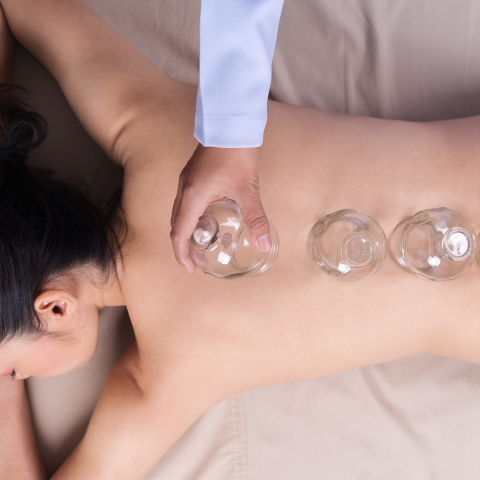
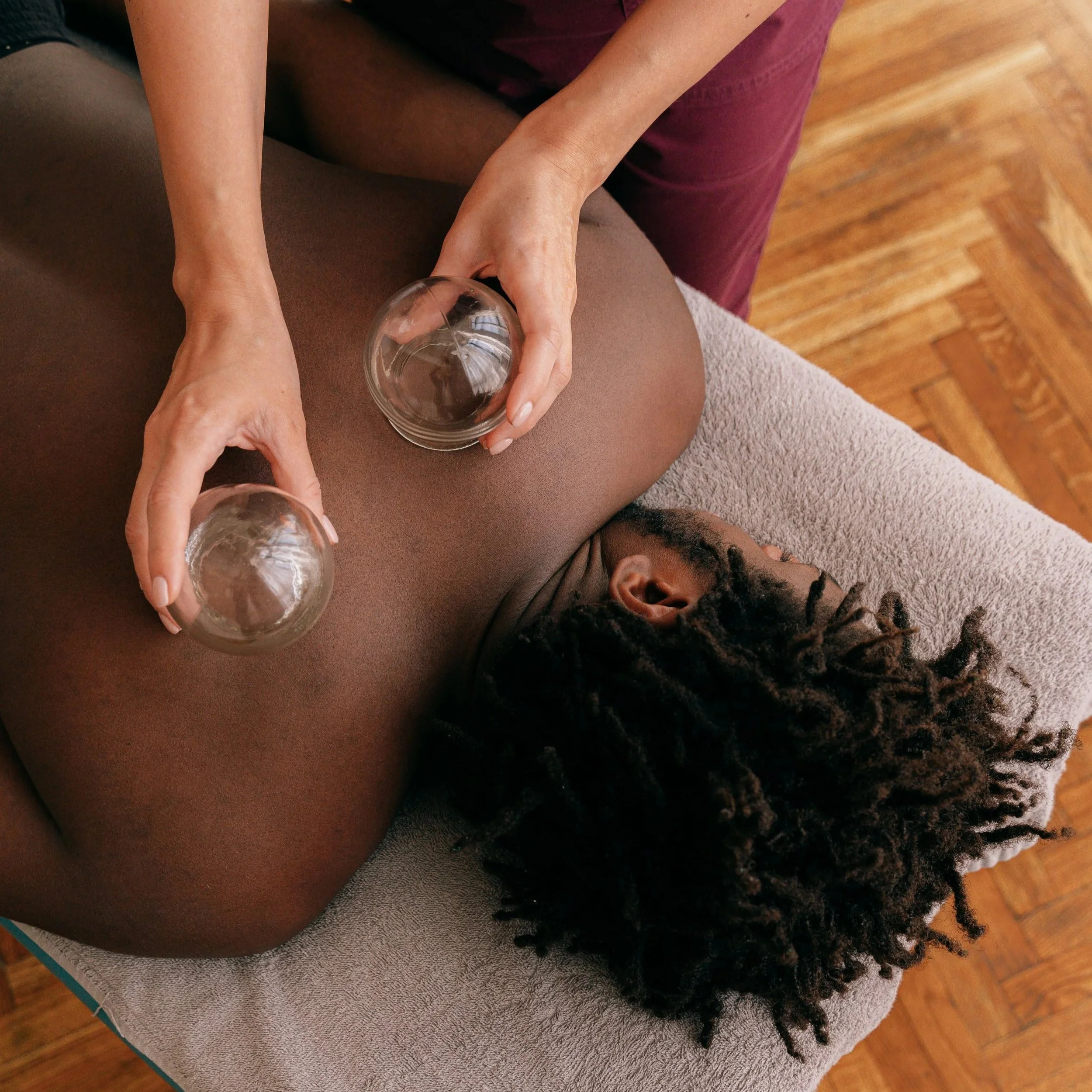
Most massage works by pressing tissue down. Cupping does the opposite: silicone or plastic cups create suction that gently lifts the skin and the superficial layer of tissue beneath it. The cups can stay in one place for a few minutes or glide across the skin in what is called dynamic cupping, which is the style used in most modern massage settings.
The technique has roots in traditional Chinese and Middle Eastern medicine going back centuries. What happens in a modern studio is a practical adaptation: no fire, no glass, integrated into a regular bodywork session by a licensed massage therapist.
What It Can Do, Honestly
People who like cupping tend to really like it, and the most consistent reports are the believable ones: muscle tightness eases, stubborn areas like the upper back feel looser, and the sensation of lifting rather than pressing is deeply relaxing for some nervous systems.
The research picture is modest. Some studies suggest cupping may help with certain kinds of musculoskeletal pain, and the lifting action does increase local blood flow to the skin, which is exactly what the marks show. Larger claims you may see elsewhere, that cupping detoxifies the body, boosts immunity, or treats cellulite, are not supported by good evidence, and we would rather you hear that from us. Your body's waste management runs through your liver and kidneys (more on that here), with or without cups.
The fairest summary: cupping is a legitimate tool for muscle tension and relaxation that some bodies respond to especially well. It is not medicine, and it does not need to be to earn its place.
About Those Marks
The circular marks are the most famous part, so let's be straightforward. Suction draws blood toward the surface of the skin, and the marks are essentially superficial bruising, painless for most people, darker where tissue was tighter, and gone within a few days to two weeks. If you have a wedding, a beach weekend, or a backless outfit coming up, schedule accordingly.
Who Should Skip It
Skip cupping over broken or irritated skin, and check with your doctor first if you take blood thinners, have a bleeding disorder, or have a condition affecting your skin or circulation. If you are pregnant, tell your massage therapist; your session should follow prenatal protocols throughout.
Trying Cupping at PRESS
At PRESS, cupping is offered as an add-on to your massage, woven into the session where your massage therapist thinks the lifting action will help most, usually the back and shoulders. It pairs naturally with the focused, anatomy-based work we already do.
Curious? Add it to your next session at any of our studios in Williamsburg, Brooklyn, Greenpoint, Brooklyn, Union Square, Manhattan, Columbus Circle, Manhattan, or Long Island City, Queens.
Read also: