The Real Benefits of Massage for Body and Mind
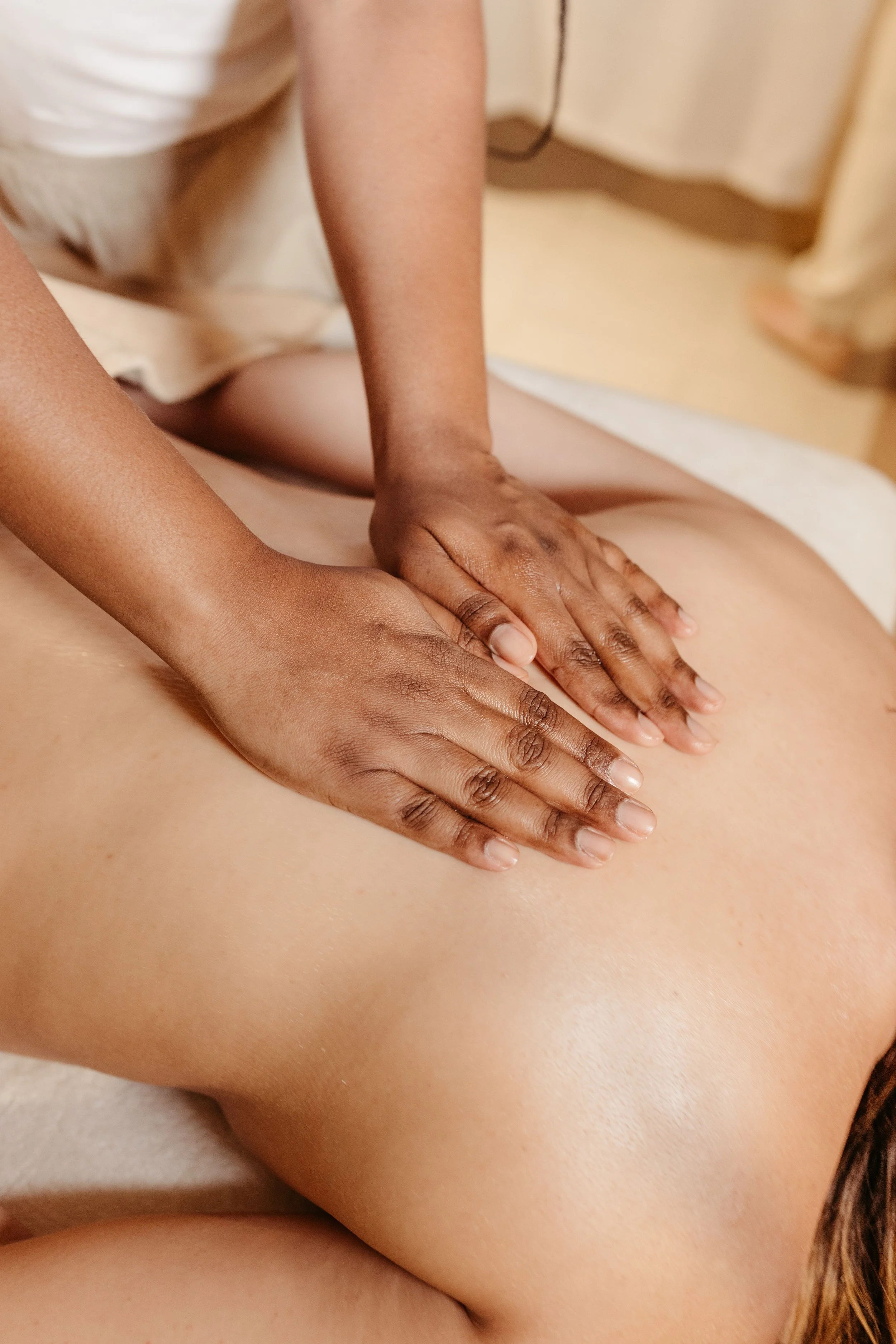
Key Takeaways:
Practical, not glamorous: Massage reliably eases muscle tension, supports sleep and relaxation, and improves how you move. Those modest benefits add up.
Specific beats generic: The best results come from a massage therapist who works on your actual pattern, not a fixed routine.
Consistency compounds: Regular sessions catch tension before it becomes pain, which is where massage does its best work.
Your body has probably become the place where your calendar keeps its receipts. The jaw clenches through a presentation. The upper back stiffens during a three-hour laptop sprint. The hips object after a downtown-to-Brooklyn commute, then a workout, then the classic New York mistake of calling six hours of sleep "fine." The benefits of massage therapy matter because these patterns are not merely annoying. Left on repeat, they can narrow how comfortably you move, train, work, and sleep.
What massage does for the body
A good session can temporarily reduce muscle tension and soreness, ease the feeling of stiffness, and improve comfort with movement. That may sound modest, but modest is underrated when your neck hurts every time you check a second monitor.
Massage also stimulates circulation to the muscles being worked, which supports the comfort and recovery of overworked tissue, and it helps the body move fluid, easing the sensation of heaviness or puffiness. What it does not do is flush toxins: your liver and kidneys handle that job, massage or no massage.
A massage therapist can also identify patterns worth paying attention to: one shoulder persistently elevated, a hip that does all the work, a jaw that never quite gets the memo that the meeting ended. That turns "my whole body is a mess" into something you can actually address.
What massage does for the mind
It lowers the volume on stress. Sustained, comfortable pressure tends to shift the nervous system toward its rest-and-digest state: slower breathing, lower shoulders, a mind that stops running the day's postmortem. (More on the stress side here.)
It supports better sleep. A body carrying less muscular bracing is easier to sleep in, especially when pain or tension has been making it hard to settle. It does not replace treatment for insomnia or sleep apnea, but it removes one very ordinary barrier to rest. (Stress and sleep, in detail.)
It gives you an hour nobody can interrupt. Not a small thing in this city.
Desk tension, training, and headaches
Remote work turned kitchen tables into offices, and faster work often means fewer natural pauses. Massage can relieve the familiar cluster of neck, shoulder, and upper-back tension that comes with long screen days, and it may help with tension-related headaches when neck and jaw tightness are part of the picture.
For people who train, massage may reduce perceived soreness and help you feel ready to move again. It is not a shortcut to a faster mile, but feeling less sore changes how consistently you train, which is where results actually come from. Sports-focused work fits around the training calendar rather than fighting it.
Why professional technique matters
The quality of your results depends heavily on who is working on you. A licensed massage therapist understands anatomy, adjusts pressure in real time, and works with your body rather than against it. More pressure is not automatically more effective; useful pressure is pressure you can breathe through.
Professionalism also means clear communication, proper boundaries, and a real intake. At PRESS, every session starts with what you are feeling and what you want to change.
Choosing the right session at PRESS
Full Body Massage: our core session, blending Swedish and orthopedic deep tissue techniques, broad and calming where you need it, focused where you need it. The right choice when stress, training, or travel has spread tension everywhere.
Back, Neck & Shoulders: a focused session for desk-driven upper-body tension, when one region is monopolizing your week.
Pregnancy Massage: prenatal massage in all trimesters, with side-lying or supported prone positioning (prone requested at booking), and postnatal massage afterward. Unused prenatal credits transfer to postnatal.
Who benefits from regular massage
Office workers and remote professionals carrying neck, shoulder, and low-back tension from screen-heavy days.
Parents and caregivers, whose bodies absorb the lifting, carrying, and fragmented sleep that nobody schedules recovery for.
Runners, cyclists, and lifters, who want training soreness managed before it changes how they move.
Older adults looking for more comfortable, easier everyday movement. (More on massage for seniors.)
How to make it part of your routine
Start with a realistic frequency. For many people, every three to four weeks keeps tension from rebuilding. (Here is how to find your rhythm.)
Notice what changes. Range of motion, sleep, headache frequency, how long you can sit before your shoulders start their usual coup. Those observations make the next session smarter.
Book before it hurts. Waiting until something is loud enough to interrupt your life is the most expensive way to use massage. A membership makes the monthly rhythm the default instead of a decision.
Frequently Asked Questions About the Benefits of Massage
What are the benefits of massage beyond pain relief?
Better sleep, relaxation, lower day-to-day stress, and easier movement. Many people also find they notice tension patterns earlier, which makes them easier to address.
Is massage helpful for people with chronic conditions?
Many people with conditions like fibromyalgia or arthritis find gentle, customized massage helps with comfort and stiffness. It does not treat the condition itself, so work alongside your care team and share your health history at intake. (More on massage for chronic pain.)
Does massage help with posture?
Massage can ease the tightness that makes sustained positions uncomfortable, which makes it easier to change position and move more. Lasting posture change comes from movement and setup changes, with massage supporting them.
How does massage affect the lymphatic system?
Massage encourages fluid movement, which can ease the feeling of swelling or heaviness. Your organs still handle waste processing; massage plays a supporting role in comfort and circulation.
Is there a best time of day to get a massage?
Morning sessions can leave you feeling loose for the day ahead; evening sessions tend to support winding down and sleep. Book the slot you will actually keep.
Is massage helpful during hard life transitions?
Many people find it grounding during stressful periods like moves, new jobs, or grief. (We wrote about massage and grief here.)
How long do the benefits last?
It varies, but many people feel easier movement and lower tension for several days. Regular sessions build on that effect.
At PRESS
Targeted massage care is available at our studios in Williamsburg, Brooklyn; Greenpoint, Brooklyn; Union Square, Manhattan; Columbus Circle, Manhattan; and Long Island City, Queens. Book here before the tension becomes your default setting.
Read also:
Written by Rachel Beider, LMT, founder of PRESS Modern Massage. Rachel is a New York State–licensed massage therapist and AMTA member with nearly two decades of experience in massage therapy and wellness.