The Key Benefits of Swedish Massage

Key Takeaways:
Gentler, not lesser: Long, flowing strokes at light to medium pressure. Different tool, not a weaker one.
Best for stress, stiffness, and first-timers: The strongest case is calming an overworked nervous system and easing general tension, not chasing one stubborn knot.
It pairs well: Most good sessions blend Swedish and deeper work. You do not have to choose a team.
Swedish massage gets filed as the beginner option, the one you book when you are not serious enough for deep tissue. That framing is wrong, and it costs people the session they actually needed. Slow, rhythmic, broad-pressure work is the right tool for a specific and very common situation: a body that is not injured so much as depleted, braced, and running at a low hum of tension it stopped noticing months ago.
Here is what it is genuinely good for, and who should book it instead of something more intense.
What Swedish Massage Actually Is
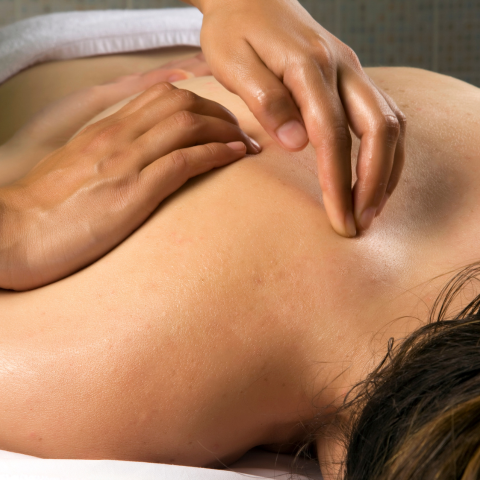
Long gliding strokes, kneading, and circular work at light to medium pressure, applied broadly rather than to one target. Where deep tissue work goes slowly into specific layers, Swedish technique covers ground: full limbs, the whole back, a consistent rhythm your nervous system can settle into.
That rhythm is the active ingredient. Predictable, comfortable pressure over time is one of the more reliable ways to shift the body out of its alert state, which is why the benefits below cluster around stress, sleep, and general comfort rather than around any single muscle.
What It Does Well
It calms the stress response. The most dependable benefit. Sustained, tolerable touch tends to move the body toward its rest-and-digest state: slower breathing, lower shoulders, a jaw that unclenches without being asked. For people whose tension comes from stress rather than from training, this matters more than pressure ever will.
It supports better sleep. Indirectly and reliably. A body carrying less muscular bracing is easier to sleep in, and people who wake up rearranging a stiff shoulder often notice the difference the same night. Sleep is where repair actually happens, so this one compounds.
It eases general muscle tension. Not one deep knot, but the widespread stiffness that comes from sitting, commuting, carrying, and standing all day. The neck, shoulders, and low back respond well, often more comfortably than they would to aggressive work.
It improves circulation. Broad strokes stimulate blood flow to muscle and soft tissue, delivering oxygen and nutrients where they are working. It is a real, modest effect, useful if you sit for long stretches or run cold, and it does not need to be dressed up as detoxification to be worth having.
It helps you move more easily. Less tension and sensitivity usually means better range of motion in the short term. Turning your head, reaching overhead, getting up from the couch without a plan.
It is the right entry point. If you have never had a massage, or had one bad one and never went back, this is the session to book. Nothing about it requires enduring anything, and it gives you a baseline to measure everything else against. (Here is what a first appointment looks like.)
It works for depleted weeks. Post-illness recovery, sleep-deprived new parenthood, a brutal quarter, jet lag. When your system is already taxed, adding an intense session can be more input than your body wants. Gentler work is often the smarter dose.
What It Will Not Do
It will not break up scar tissue or "adhesions," because hands cannot mechanically dissolve those and muscles do not contain little rocks. It will not flush toxins, your liver and kidneys have that covered. It will not boost your immune system, prevent injuries, or fix a specific chronic pain pattern on its own. And it will not replace medical care when something is genuinely wrong.
None of that diminishes it. A tool that reliably lowers stress, improves comfort, and helps you sleep is doing plenty.
Swedish or Deep Tissue?
The honest answer is that this is less of a fork than the menu implies. Most good sessions at PRESS blend both: broad, flowing work to settle the body, focused pressure where your massage therapist finds something that needs it.
That said, book Swedish-style work when your main complaint is stress, fatigue, general stiffness, or overwhelm, when you are new to massage, or when your system feels sensitive. Lean deeper when you have a specific, stubborn pattern that has been running for weeks: the shoulder that will not let go, the low back that objects to standing. (The full comparison is here.)
And either way, pressure stays a conversation. More intensity is not more effective, and a session you spend bracing against is not doing what you booked it for.
Quick Answers
How often should I get one?
Every two to four weeks is a realistic rhythm for ongoing stress and stiffness; monthly works well as maintenance. Here is the fuller breakdown.
Will I be sore afterward?
Usually not, or only mildly, since the pressure is gentler. If you are sore for days, the dose was off, and your next session can be adjusted.
Can it help with headaches?
It can help with tension-type headaches by easing the neck, shoulder, and upper-back muscles involved. More on that here.
Is it safe for everyone?
Generally yes, but check with your doctor first if you have blood clotting concerns, take blood thinners, have osteoporosis, are recovering from surgery, or are managing an active infection. If you are pregnant, book a prenatal session designed for pregnancy from the positioning up.
Do I have to talk during it?
No. Say what you need at the start, then the hour is yours. Quiet is a completely valid choice.
At PRESS
Our licensed massage therapists build Swedish technique into sessions wherever calm, flowing pressure serves your body best, whether that is a full body massage or a focused back, neck and shoulders hour. Find us in Williamsburg, Brooklyn; Greenpoint, Brooklyn; Union Square, Manhattan; Columbus Circle, Manhattan; and Long Island City, Queens. Book here, and tell us what kind of week it has been.
Read also: