
Can Massage Worsen Inflammation? What to Know
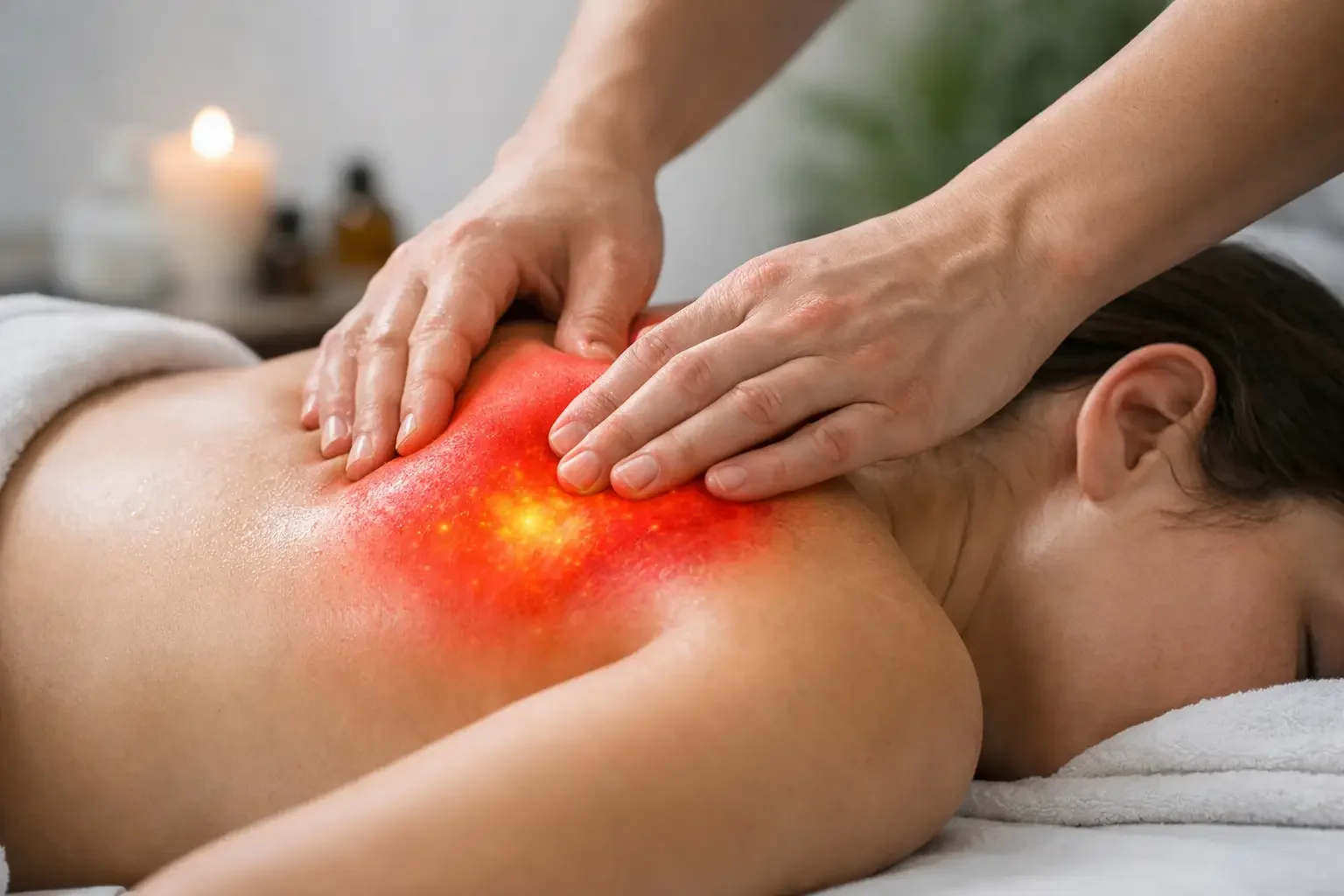
Massage and Inflammation, by PRESS Modern Massage
By Thursday afternoon, the city has usually made its case against your body. There is the laptop hunch, the subway-platform stance, the workout you squeezed in before a 9 a.m. meeting, and the grocery bags carried six blocks because the delivery window was absurd. Then you book a massage to fix the situation - and wake up sore, puffy, or oddly worse.
So, can massage worsen inflammation? Yes, under the wrong circumstances or with the wrong intensity. But that does not make massage inherently inflammatory, nor does it mean post-massage soreness is always a red flag. The useful question is more specific: what kind of inflammation are we talking about, and what is your body trying to protect?
For people who treat their bodies like a second inbox - always full, rarely cleared - the distinction matters. A skilled massage can reduce pain sensitivity, ease guarding around an irritated area, and help you move more comfortably. Aggressive work on an acute injury, active flare, infection, or unexplained swelling can add stress to tissue that needs a different plan.
Why “inflammation” is not one thing
Inflammation gets a bad reputation because we associate it with swollen knees, hot joints, and the lingering annoyance of a tendon that will not settle down. But inflammation is also part of normal repair. It is the immune system’s response to injury, infection, or irritation, bringing fluid and immune cells to the area and setting off the healing process.
The problem is that the word gets used for several very different experiences. Delayed-onset muscle soreness after a hard strength class is not the same as a freshly sprained ankle. A chronic inflammatory condition is not the same as a tight upper trap that has been holding your shoulder near your ear since your last product launch. Massage decisions should reflect that difference.
There is also a separate, common experience: tenderness after deep pressure. Firm massage creates a small, controlled mechanical stress on muscle and connective tissue. If the session is too intense for your current capacity, you may feel sore for a day or two, much as you might after unfamiliar exercise. That does not automatically mean the treatment caused harmful inflammation. It may simply mean the dose was too high.
Still, “no pain, no gain” is a spectacularly unhelpful rule for massage. More pressure is not more therapeutic. The right amount is enough to create a change in muscle tone, comfort, or range of motion without leaving you braced against the table or unable to sit through Friday’s board meeting.
When massage can worsen inflammation
Massage is most likely to aggravate a situation when it is applied directly and deeply to tissue that is actively injured or medically inflamed. Think of it as trying to reorganize a crowded Manhattan sidewalk during a fire drill. The body already has a lot going on there.
A new injury needs protection first
If you twisted your ankle stepping off a curb, pulled a hamstring during a sprint workout, or took a fall on an icy sidewalk, the first phase is not the time for deep tissue work on the injury. Signs such as sharp pain, substantial swelling, heat, bruising, or loss of function suggest an acute problem that may need rest, evaluation, and guidance from a clinician.
Massage around the area may eventually be appropriate, but timing and technique matter. Early on, forceful pressure could increase pain, bleeding in bruised tissue, or swelling. A therapist should not be trying to “break up” a fresh injury.
An active inflammatory flare is different from ordinary tension
Pain from arthritis, tendinopathy, bursitis, autoimmune conditions, or other inflammatory conditions can fluctuate. During a hot, swollen, highly sensitive flare, direct deep work may be unpleasant and counterproductive. Gentler touch elsewhere in the body, positioning support, and calming techniques may be better options, assuming your medical team has not advised against massage.
This is where good communication beats a standard routine. A sore shoulder from carrying a toddler and a shoulder joint that is visibly swollen do not need the same session.
Infection, fever, or unexplained swelling are a hard stop
Skip massage and seek medical guidance if you have a fever, a skin infection, an open wound, sudden unexplained swelling, redness that is spreading, or severe pain without a clear cause. Massage can be inappropriate when the body is fighting an infection, and it should never be performed over compromised skin.
One especially important exception is a possible blood clot. New one-sided calf swelling, warmth, redness, tenderness, chest pain, or shortness of breath requires urgent medical attention, not a massage appointment. The risk is uncommon, but the stakes are high enough that it belongs in the conversation.
Certain medications and conditions change the equation
People taking blood thinners, those with bleeding disorders, fragile skin, recent surgery, cancer treatment, osteoporosis, or a history of blood clots should tell their therapist before a session. That does not mean massage is automatically off the table. It means pressure, positioning, and the treatment area may need to change, sometimes with a doctor’s clearance.
Pregnancy is another case where expertise matters. Massage can be very helpful for back discomfort, hip tension, sleep disruption, and the physical logistics of carrying a body that is rapidly changing. But significant swelling, headache, visual changes, or sudden pain should be reported to an obstetric provider rather than massaged away.
Can massage worsen inflammation after a workout?
Sometimes it can make you feel temporarily more sore, particularly after an overly intense session layered on top of a punishing training week. This is common among people preparing for a marathon, taking back-to-back boutique fitness classes, or trying to offset eight hours at a desk with one heroic weekend workout.
Research on massage after exercise suggests it may modestly reduce soreness and improve the feeling of recovery for some people. The evidence is less convincing that it dramatically restores strength or eliminates inflammation outright. That is fine. Relief, better sleep, and easier movement are meaningful outcomes, even when the biology is not a miracle montage.
The practical move is to match the session to your training calendar. A lighter, circulation-focused massage may feel great after a long run or hard lift. Very deep work immediately before an important race, competition, or heavy training day can leave you tender or temporarily less responsive. If you are training for performance, treat massage like training load: useful, but not random.
The soreness test: normal response or bad sign?
Mild tenderness that fades within 24 to 48 hours can be a normal response to unfamiliar or focused bodywork. You should still be able to move, sleep, and conduct your life without feeling like you lost a fight with a freight elevator.
The response is less normal if pain is sharp, escalating, associated with bruising or new swelling, persists for several days, or makes your original problem substantially worse. Call the therapist, and if symptoms are significant or concerning, contact a medical professional.
A good massage should leave a useful signal, not a mysterious punishment. You might feel pleasantly loose, a little sleepy, or aware of muscles that have been quietly overworking. You should not feel pressured to interpret a bad reaction as evidence that the therapist “found something.”
How to get the benefit without overdoing it
The best protection against an inflammatory rebound is specificity. Before the session, describe what changed, when it started, what aggravates it, and what you need to do afterward. “My neck is tight” is helpful. “My right neck started locking up after three red-eye flights, I have a headache behind my eye, and I need to turn my head to bike home” is far more useful.
Ask for pressure that feels productive rather than performative. On a 1-to-10 discomfort scale, most therapeutic work should stay in a tolerable range where you can breathe normally and your muscles are not fighting back. If you are holding your breath, clenching your jaw, or mentally composing a complaint to your friend who recommended this place, say something.
Afterward, keep the recovery plan boring and effective: hydrate normally, eat, take an easy walk if it feels good, and avoid treating the session as a license for a maximal workout or a six-hour desk marathon. If an area is already irritated, your therapist may suggest gentler movement, heat or cold depending on the situation, or a follow-up with a physician or physical therapist.
At PRESS, this kind of context is the point of therapeutic bodywork. A licensed therapist can adapt pressure and approach to the body that arrives that day - not the imaginary version of you who has slept eight hours, stretched daily, and never carried a laptop bag on one shoulder.
The smarter way to think about massage and inflammation
Massage is neither a cure-all nor a menace. It is a dose of physical input, and the dose has to fit the tissue, timing, and person. For desk-driven tension, chronic muscle guarding, ordinary training soreness, and the accumulated friction of city life, the right session can be a practical tool for feeling and moving better.
But when pain is acute, hot, swollen, unexplained, or paired with illness, restraint is not missing out on care. It is good judgment. Your body does not need to be conquered. It needs to be read accurately.
Matching the Session to the Situation
The practical skill in all of this is dose-matching: distinguishing tissue that is actively inflamed and needs protection from tissue that is chronically overworked and responds well to focused pressure. That is a judgment call your licensed massage therapist makes with you, based on what you report and what they find, not a formula.
At PRESS Modern Massage, that assessment is the starting point of every session. Our massage therapists adapt pressure, positioning, and focus to the body that shows up that day, at our studios in Williamsburg, Brooklyn, Greenpoint, Brooklyn, Union Square, Manhattan, Columbus Circle, Manhattan, and Long Island City, Queens. If you are unsure whether massage is right for what you are dealing with, ask when you book, an honest "not yet, see a doctor first" is part of good care.
