
What is Targeted Massage Therapy? A Smarter Fix
By 4 p.m., much of New York is physically negotiating with itself. The finance analyst is leaning into a laptop in Midtown. The founder is answering voice notes while walking three avenues to a meeting. The parent has carried a toddler, groceries, and a folding scooter up four flights. Add a Pilates class, a subway commute, and the small indignities of apartment living, and it is no surprise that a vague request for a “relaxing massage” often misses the point.
When people ask, what is targeted massage therapy, they are usually asking something more practical: Can someone identify why my neck keeps locking up, why my low back complains after a run, or why I wake up with a headache despite buying the expensive pillow? Targeted work is designed for that question. It treats massage less like an ambient escape and more like skilled, responsive bodywork with a clear purpose.
What Is Targeted Massage Therapy, Exactly?
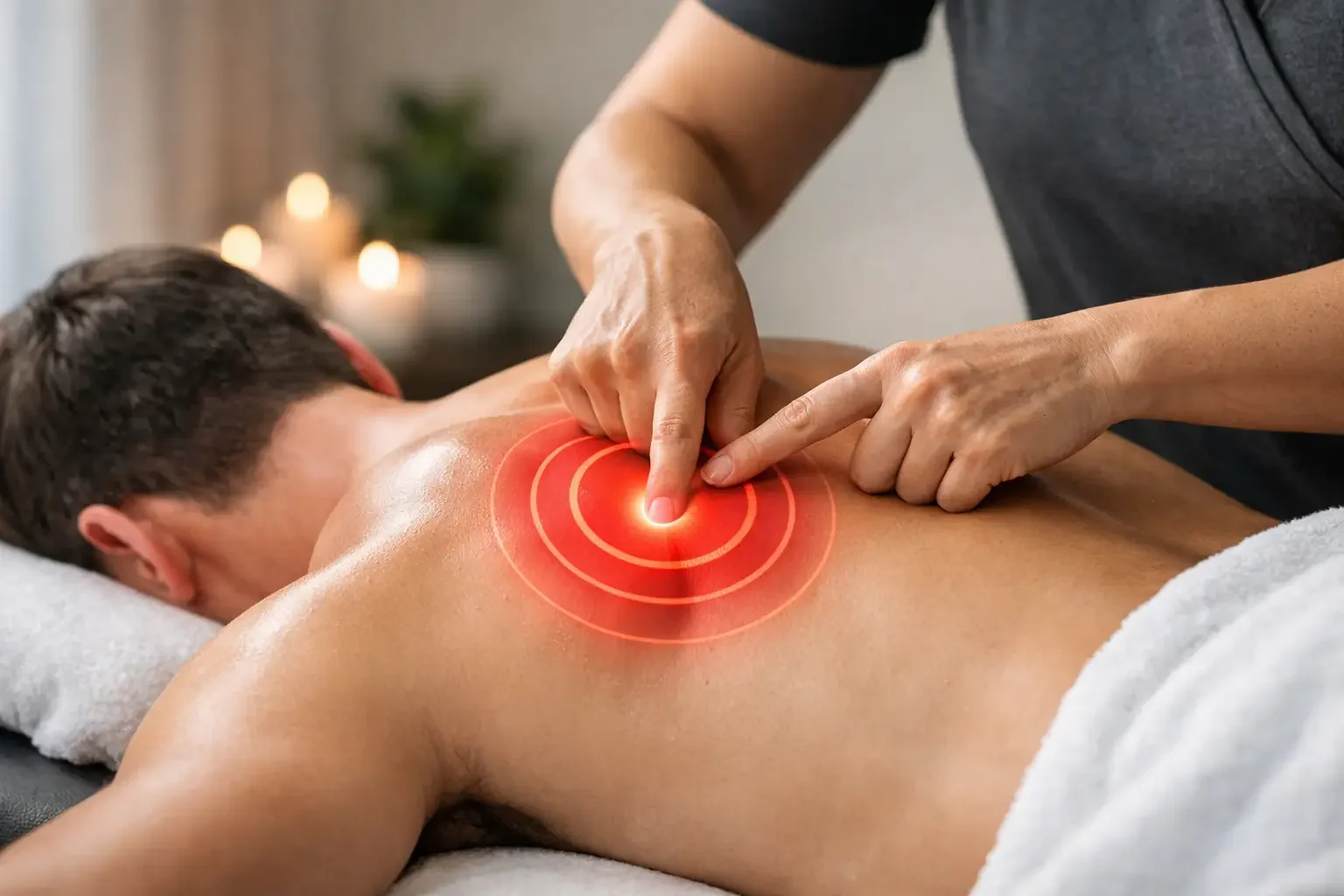
Targeted massage therapy is an anatomy-informed massage approach that concentrates on the areas, movement patterns, and symptoms most relevant to you. Instead of applying the same routine from person to person, a licensed massage therapist assesses what is bothering you, asks how it affects daily life, and adapts the session accordingly.
That does not necessarily mean spending 60 minutes pressing on one angry knot near your shoulder blade. Bodies are not that tidy. A tight upper trap may be part of a larger pattern involving the chest, neck, shoulder, breathing mechanics, or how you sit through back-to-back Zoom calls. A thoughtful therapist may work locally where you feel discomfort, then address nearby tissues that influence how the area moves.
The distinction is intent. A general relaxation massage can be broad and wonderfully calming. Targeted therapy begins with a specific problem, such as restricted neck rotation, post-workout leg soreness, jaw tension, desk-related shoulder pain, or pregnancy-related hip discomfort, then uses appropriate techniques to pursue a functional result.
Why “Where It Hurts” Is Only Part of the Story
The body has a rude habit of reporting pain in one place and creating the problem somewhere else. Consider the person whose low back gets cranky after a long day at a standing desk. The answer may involve overworked back muscles, sure. But it may also involve stiff hip flexors, fatigued glutes, limited hip mobility, or simply a workstation arrangement that asks the body to hold one position for too long.
Massage therapists cannot diagnose medical conditions, and a credible practitioner will not pretend otherwise. But they can assess soft-tissue tension, notice asymmetries in movement, and use feedback during the session to decide where attention is most useful. They can also recognize when pain needs evaluation from a physician or physical therapist instead of more pressure.
This is why “deep tissue” is not automatically synonymous with effective. Deep pressure can feel productive, especially to New Yorkers who have been trained to believe discomfort is proof of effort. Yet too much pressure can make protective muscle guarding worse, leave you sore beyond the useful kind, or distract from the tissues that actually need work. The best pressure is the amount that helps your body respond, not the amount that wins an endurance contest.
A Targeted Massage Session Should Feel Specific
A good session starts before the table. Your therapist should ask questions that create a usable map: Where do you feel symptoms? When did they start? What movements aggravate them? What does a normal workday, training week, or sleep position look like? Are you dealing with an injury, pregnancy, numbness, swelling, or a medical condition that changes the plan?
From there, the work may include a combination of focused compression, slow gliding strokes, myofascial techniques, assisted stretching, and gentle mobilization. The names matter less than the reasoning. Someone training for the New York City Marathon may need attention around calves, hips, and feet, plus a sensible plan for recovery around mileage. Someone with screen-induced headaches may benefit from work around the upper back, neck, shoulders, and jaw, alongside a conversation about how often they are clenching during Slack emergencies.
At PRESS Modern Massage, this approach is built around therapeutic, anatomy-based care rather than a preset spa sequence. The point is not to make every session intense. It is to make it relevant.
What You Might Notice Afterward
A useful outcome can be immediate, such as easier neck rotation, a shoulder that sits more comfortably, or a fuller breath. It can also be subtler: you notice that your usual commute does not leave your hips feeling cemented together, or that you can sleep without constantly repositioning your arm.
Massage research supports modest benefits for some types of short-term pain, anxiety, and perceived muscle soreness, though results vary by condition, technique, and person. The evidence is not a license to promise cures for chronic pain or injury. Think of targeted massage as one valuable input in a wider care plan that may also include strength training, movement changes, sleep, medical care, or physical therapy.
Who Gets the Most From Targeted Work?
Targeted massage is especially useful when you can name a pattern, even if you cannot name the anatomy behind it. That includes the recurring tension that appears after quarterly reporting season, the ankle and calf tightness that turns up during half-marathon training, or the upper-back ache that arrives after nursing or holding a baby.
It also makes sense for people who are active but not injured. Boutique fitness has made recovery its own category, sometimes to absurd effect, but the underlying idea is sound: training asks the body to adapt. Massage may help you feel less sore, more aware of tight areas, and more comfortable moving. It should support training, not replace gradual programming, rest, fueling, or medical guidance when something is seriously wrong.
Four situations deserve more caution than a standard booking form can provide:
New, severe, or unexplained pain, especially with weakness, numbness, fever, or sudden swelling
A suspected fracture, blood clot, infection, or acute inflammatory condition
Recent surgery or an injury without clearance from the appropriate clinician
Any pregnancy or health condition where your care team has given specific restrictions
In these cases, get medical direction first. Good massage therapy works within its lane. That is a feature, not a limitation.
How to Make a Targeted Massage More Effective
You do not need to arrive fluent in anatomy. You do need to be specific. “My whole body is tight” is honest, but details give your therapist something to work with. Mention that your right shoulder catches when you reach into the back seat of a cab, that headaches begin behind your left eye after laptop days, or that your quads feel heavy only after hills.
Be equally honest about pressure. A therapist cannot feel your nervous system from across the table. If you are bracing, holding your breath, or mentally counting down until a stroke ends, say so. The goal is productive work that your body can tolerate, not a heroic performance of toughness.
Frequency depends on the problem. A one-off session can help after travel, an unusually hard training block, or a brutal week at work. Recurring symptoms often respond better to a consistent cadence, particularly when sessions are paired with small changes between appointments. That may mean taking movement breaks between calls, adjusting a monitor, rotating how you carry a bag, or doing the two mobility drills you will actually repeat instead of the 20-minute routine you will abandon by Thursday.
The Better Question to Ask Before You Book
Rather than asking whether massage is worth it, ask what you want it to change. Do you want fewer tension headaches? Easier squat depth? A less guarded neck during your next red-eye? Relief from the peculiar back-and-shoulder fatigue of carrying a child through an NYC winter in too many layers?
That answer gives targeted massage therapy its job. The most useful massage is not necessarily the one that feels most luxurious in the moment. It is the one that helps you leave with a little more room to move through the life you already have.
One More Thing
Every PRESS session starts with what your body actually needs that day. Our licensed massage therapists work from anatomy, your feedback, and honest evidence, at our studios in Williamsburg, Brooklyn, Greenpoint, Brooklyn, Union Square, Manhattan, Columbus Circle, Manhattan, and Long Island City, Queens. Book here.
