
Does Massage Help Stress Hormones?
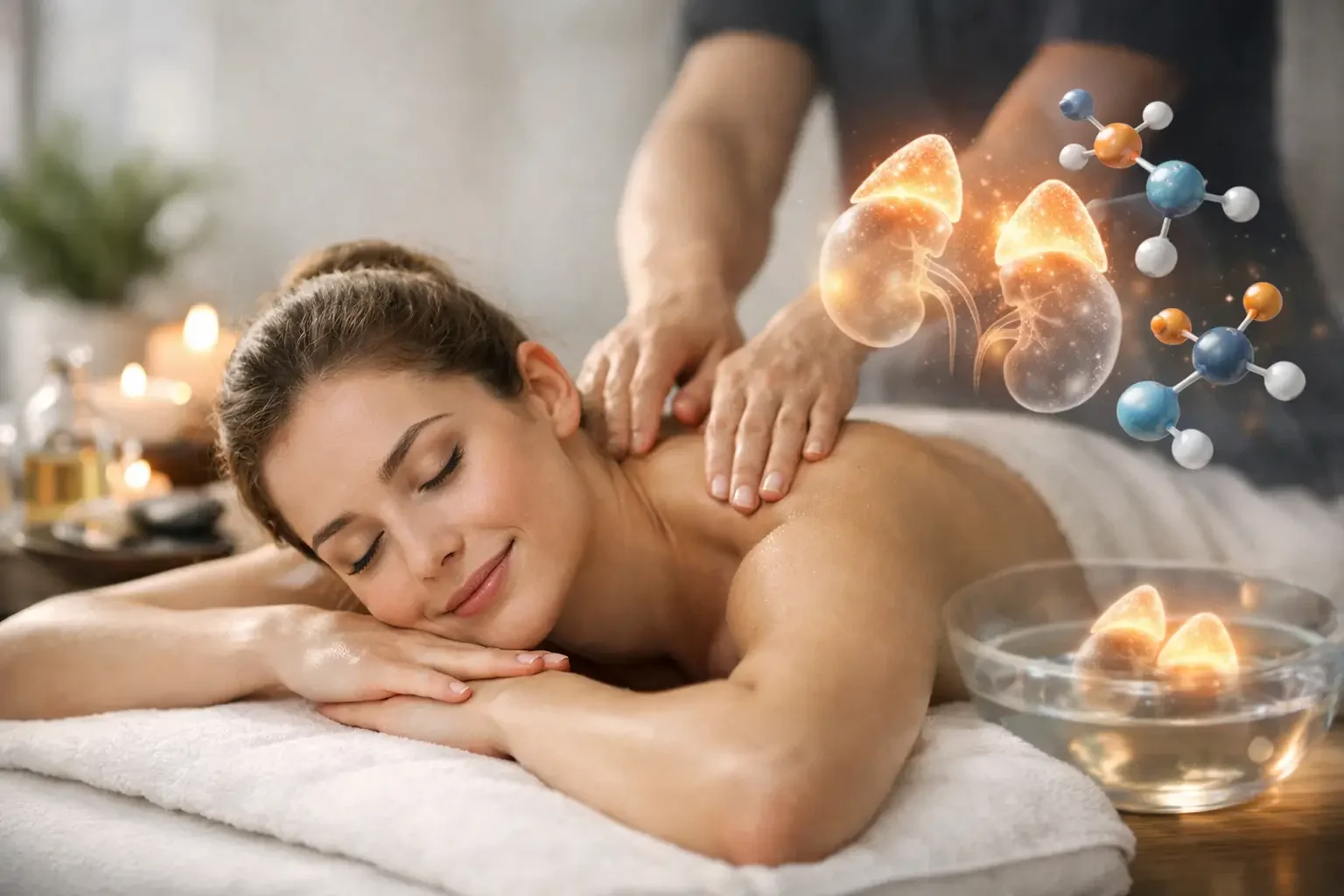
By Thursday afternoon, a lot of New Yorkers are running on fumes and muscle tension. You can see it on the subway - jaws clenched, shoulders somewhere near the ears, one hand gripping a tote bag and the other answering emails. Which is why people keep asking a very reasonable question: does massage help stress hormones, or does it just feel good for an hour and then disappear into the rest of the week?
The honest answer is more interesting than the spa-version myth and less dramatic than the internet sometimes suggests. Massage can influence the body systems involved in stress. It may help lower cortisol in some people, support a shift toward the parasympathetic nervous system, and improve sleep, pain, and muscle guarding - all of which matter when your body has been acting like every calendar invite is a small emergency. But it is not a magic reset button, and the results depend on the person, the kind of massage, and whether stress is showing up mostly in your mind, your tissues, or both.
Does massage help stress hormones, really?
Short version: often, yes, but not in a simple one-session-cures-all way.
When people talk about stress hormones, they usually mean cortisol, though adrenaline and norepinephrine are part of the picture too. Cortisol is not the villain it is sometimes made out to be. You need it. It helps regulate energy, blood sugar, inflammation, and your sleep-wake cycle. The problem is not having cortisol. The problem is staying switched on all the time.
That is where massage gets interesting. Research suggests massage therapy may reduce perceived stress and can sometimes lower cortisol levels, at least temporarily. Some studies also point to changes in heart rate, blood pressure, and markers of relaxation. Other studies are mixed, especially when researchers try to pin down hormone shifts with perfect consistency. Human stress is messy. So is research on touch.
What is clearer is this: massage often changes how people feel in their bodies. Pain eases. Breathing slows. Muscle tension lets go. Sleep improves. For the lawyer with tension headaches, the founder sleeping five fractured hours a night, or the parent carrying a toddler and a laptop through Brooklyn, those changes are not cosmetic. They are the stress response becoming less loud.
What massage is probably doing inside the body
A useful way to think about massage is not that it erases stress, but that it gives the nervous system better information.
When muscles are tight, breathing is shallow, and pain has been simmering for weeks, the body tends to interpret that whole setup as threat. Not tiger-in-the-room threat, but chronic low-grade threat: bad posture, jaw clenching, poor sleep, overtraining, too much screen time, not enough recovery. Massage can interrupt that loop.
Pressure on muscles and connective tissue appears to stimulate sensory receptors that communicate with the nervous system. In many people, that helps shift the body away from a fight-or-flight state and toward a rest-and-digest state. You may notice it as a deeper exhale, less guarding around the neck and shoulders, or the weirdly rare sensation of sitting still without mentally composing five emails.
There is also the pain piece. Pain itself is a stressor. If your upper traps are lit up from laptop posture, your hip flexors are tight from marathon training, or your low back is complaining from carrying a child up a fourth-floor walk-up, your body is spending energy managing that discomfort. When massage reduces pain or improves mobility, it may indirectly reduce stress chemistry too.
That is one reason bodywork can feel so different from generic relaxation messaging. It is not just about candles and ambient music. If done well, it is a physical intervention with nervous system effects.
Why the evidence is promising - and still not perfect
If you want a clean headline like Massage Lowers Cortisol by 37 Percent Every Time, science is not going to give you that. Studies vary a lot in quality, population, session length, and what kind of massage was used. Some are small. Some rely on self-reported stress, which matters, but is not the same as hormone testing. Some hormone data are all over the place.
Still, there is enough evidence to take massage seriously as part of stress management. Reviews of massage therapy research generally find benefits for anxiety, perceived stress, and pain. Physiologically, massage may help regulate autonomic nervous system activity, which is a less flashy but often more useful way to think about stress than obsessing over a single hormone number.
This is the part wellness culture often misses. Most people do not need to become amateur endocrinologists. They want to know why they wake up at 3 a.m., why their neck feels like braided wire, and why they cannot fully relax even when work is technically over. If massage helps them sleep better, breathe easier, and stop carrying tension in the same three places every day, that matters whether or not they ever see a lab printout.
Who tends to notice the biggest difference
People with physical stress tend to respond especially well. That includes desk workers with chronic upper-body tension, runners and lifters managing recovery, pregnant clients dealing with swelling and low back strain, and anyone whose stress has become postural.
This is common in New York because city stress is rarely abstract. It lives in the body. It is the six-hour laptop day that becomes a ten-hour laptop day. It is a commute with your shoulders up around your ears. It is training hard before work, then sitting still too long, then trying to fall asleep with your nervous system still humming.
Massage can be especially helpful when stress and pain are feeding each other. Tight muscles can worsen pain. Pain can worsen sleep. Poor sleep can make cortisol patterns less healthy and make you more reactive the next day. A good session may not solve the whole loop, but it can break a link in the chain.
People expecting massage to treat severe anxiety, burnout, trauma, or endocrine disorders by itself may be disappointed. In those cases, massage can be supportive, but it is one tool among several. Therapy, exercise, medication, medical care, sleep changes, and actual boundaries around work all still count.
The kind of massage matters more than people think
Not all massage affects stress the same way.
A light, soothing session may help someone who is overstimulated and under-rested. Deeper, more targeted work may be better for someone whose stress is showing up as stubborn tension, headaches, jaw tightness, or limited range of motion. The right approach depends on whether your body needs downshifting, tissue work, or both.
This is also why a more anatomy-based massage often makes sense for skeptical, overbooked adults. If stress for you means thoracic stiffness, a locked-up neck, numb glutes from sitting, and a nervous system that never quite powers down, then precision matters. A therapist who understands patterns of compensation and can adjust pressure, pacing, and treatment goals is more likely to give you useful results than a one-size-fits-all relaxation routine.
At PRESS Modern Massage, that is the logic behind therapeutic bodywork: treat the actual pattern, not a fantasy version of stress where everyone just needs lavender and softer lighting.
If you want hormone benefits, consistency beats drama
The biggest misconception about stress relief is that it has to arrive as a grand gesture. A wellness weekend. A digital detox nobody can actually do. A heroic morning routine that collapses by Tuesday.
Stress physiology usually responds better to repetition than spectacle. One massage can absolutely help you feel better. Regular massage is more likely to create durable change, especially if stress keeps returning through work, training, parenting, or posture.
That does not mean weekly massage is mandatory for every person. It means your body tends to respond to patterns. If you wait until your neck is in open rebellion, your sleep is off, and your low back is sending warnings every time you stand up from the couch, you are playing catch-up. If you get bodywork before the tension becomes your personality, stress is often easier to manage.
Think of it the way people in the city now think about strength training or physical therapy. Maintenance is not indulgent. It is practical.
A few expectations worth keeping realistic
Massage may help lower stress hormones, but it is not a substitute for sleep. It cannot outwork a punishing schedule forever. And if your nervous system is on high alert because of major life stress, one session may feel great and still not carry you very far.
It is also normal to feel different, not instantly blissed out. Some people feel sleepy after massage. Some feel looser but emotionally tender. Some need a few sessions before their body stops bracing. Stress is not always stored as obvious tension. Sometimes it is stored as the inability to notice tension until it is gone.
That is why the smartest question may not be does massage help stress hormones in theory. It is does massage help your version of stress show up less intensely in your actual life. Are you sleeping better? Getting fewer headaches? Snapping less? Recovering faster after workouts? Feeling less like your body is stuck in a low-grade argument with the week?
Those are not vague wellness wins. They are functional markers that your system may be regulating more effectively.
For a lot of busy adults, that is the point. Not to become stress-free, which is not a New York goal or a human one. Just less hijacked by it. A little more range, a little less armor, and maybe one commute where your shoulders stay where they belong.
