Sports Massage in NYC: What It Is and Who It's Actually For
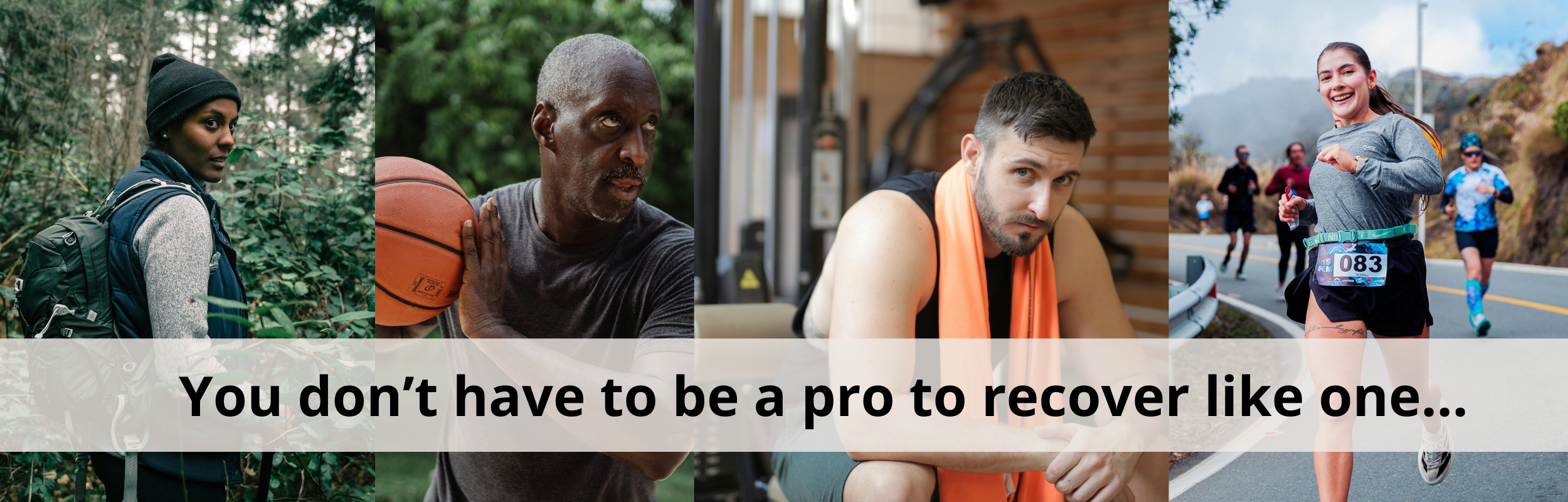
At PRESS, our sports & exercise massage isn't just for the pros. It’s for the hiker, the hooper, the gym-warrior, the runner, and anyone who wants to keep their body feeling as good as they do when moving in the way you move.
Key Takeaways:
Not just for athletes: Sports massage is for anyone who trains, races, lifts, runs, cycles, or takes boutique fitness seriously enough to be sore on Tuesdays.
Timing is the skill: The right session before an event is different from the right session after one. A good massage therapist plans around your training calendar.
Five studios, all near your routes: PRESS offers sports-focused bodywork in Williamsburg, Greenpoint, Union Square, Columbus Circle, and Long Island City, Queens.
New York is quietly one of the most athletic cities in the country. Not in a stadium way, in a 6 a.m. run-club-over-the-Pulaski-Bridge way, a reformer-Pilates-before-standup way, a training-for-your-first-marathon-on-a-work-schedule way. All of that training creates the same downstream problem: a body that is asked to perform and recover at the same time, usually with a desk job in between.
That is the actual job of sports massage. Not a luxury add-on to training, but part of the training.
What Sports Massage Actually Is
Sports massage is therapeutic bodywork oriented around physical activity: the demands of your sport or training, where your body is in its training cycle, and what you need to do next. In practice it blends deeper, focused techniques with the recovery-oriented work your tissue can actually use that week.
What makes it "sports" massage is less a secret technique and more the framing. Your massage therapist wants to know what you train, how often, what is coming up, and where things feel off. A cyclist's hips, a runner's calves, a lifter's upper back, and a jiu-jitsu practitioner's everything all get treated as part of a training picture, not as random tight spots.
What It Can Do (the Honest Version)
The research on massage for athletes is encouraging in specific, believable ways. It consistently supports reduced perception of muscle soreness after hard efforts, short-term improvements in flexibility and range of motion, and the kind of relaxation that helps a hard-training body actually sleep. Athletes also reliably report feeling more recovered, which sounds soft until you consider that perceived recovery affects how you train tomorrow.
What sports massage does not do: break down scar tissue like a demolition crew, flush lactic acid (your body clears that on its own within about an hour of finishing), or replace sleep, food, and rest days. Any claim that a massage will directly make you faster is ahead of the evidence. What it can do is help you feel and move well enough to keep showing up to training, which is where speed actually comes from.
Before or After? Timing Matters More Than Pressure
The most common sports massage mistake in this city is booking the deepest possible session at the wrong time.
In a regular training block: every two to three weeks works well for most people training consistently. This is where deeper, focused work belongs, your tissue has time to respond before the next big effort.
Before a race or event: keep it light and keep it early. Deep work in the final days before a marathon, a competition, or a heavy testing week can leave you tender and temporarily flat. Focused work belongs a week or more out; anything closer should be lighter and recovery-oriented.
After a big effort: wait 24 to 48 hours, then book a recovery-focused session. Right after a race, adrenaline can mask injuries and your muscles are full of legitimate micro-damage that wants nutrients and sleep before it wants elbows. (Marathoners: we wrote you a whole recovery guide.)
When something might be injured: sharp pain, swelling, weakness, or numbness is a medical question first. A massage therapist can support rehab; they should not be your diagnostic plan.
Who Gets the Most Out of It
Marathon and half-marathon trainees logging miles over the Queensboro and around the park. Cyclists and triathletes stacking volume. Lifters whose upper backs and hips keep a running ledger of every session. Climbers, runners, dancers, and the large population of New Yorkers doing boutique fitness four times a week on top of a desk job, which is its own athletic event.
You do not need a race on the calendar to qualify. If your training is consistent enough that soreness affects how you move through the week, your recovery deserves the same consistency.
Sports Massage at PRESS
At PRESS, sports-focused work is built into how our licensed massage therapists practice, many of them train seriously themselves and specialize in sports recovery, trigger point work, and myofascial techniques. Your session starts with what you train and what is coming up, and the work is planned around it.
We have studios where New York actually trains: Williamsburg, Brooklyn, Greenpoint, Brooklyn, Union Square, Manhattan, Columbus Circle, Manhattan steps from the park loop, and Long Island City, Queens for everyone training on the waterfront and over the bridges.
If you train year-round, recover year-round: the PRESS membership gives you a monthly massage at member pricing across all five studios, which turns recovery from an occasional rescue mission into part of the program. Book your session here.
Read also: