
Sports Massage in Williamsburg: Recovery That Keeps Up
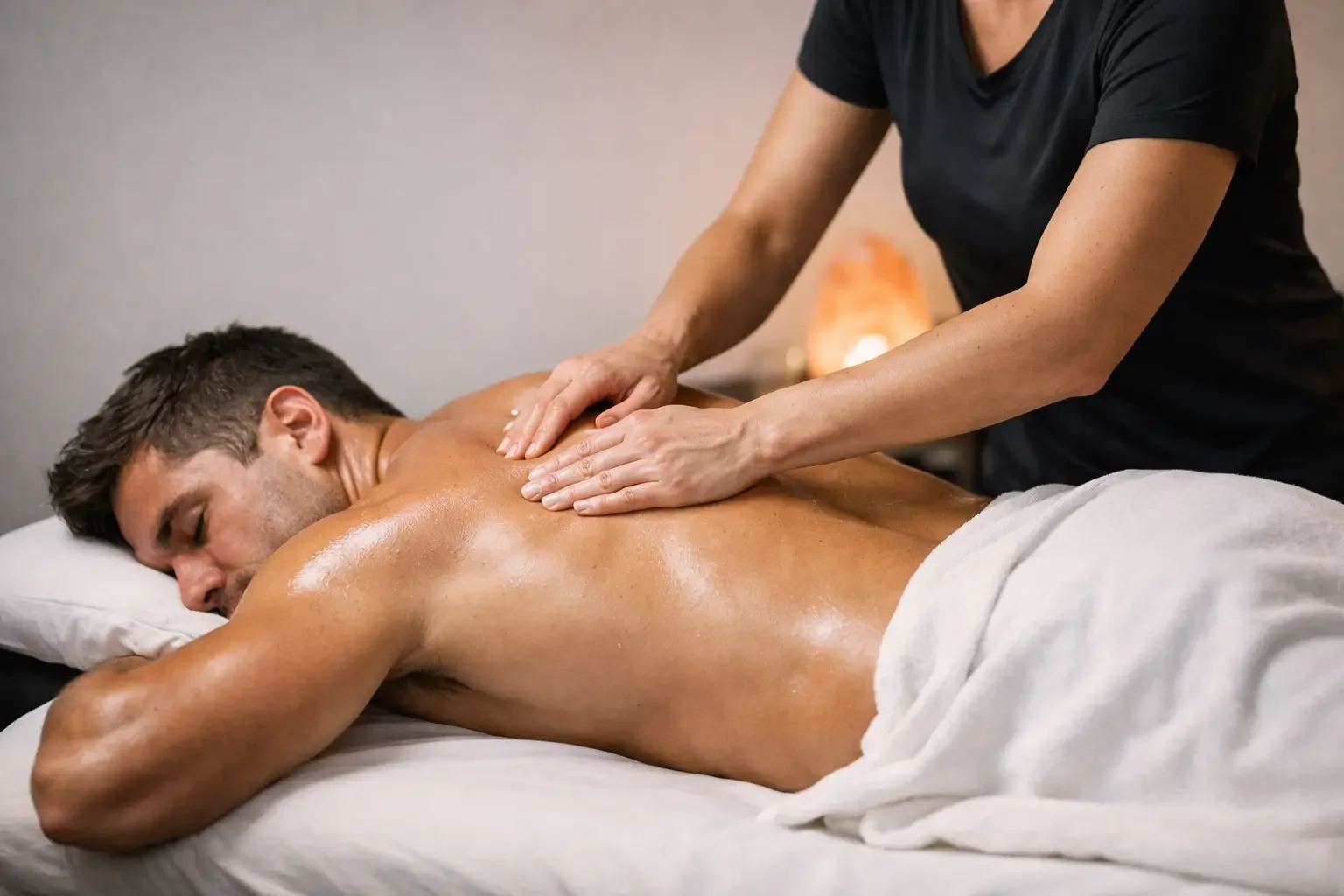
Your workout might last 45 minutes. The posture it takes to answer Slack, carry a toddler up three flights, and hunch over a laptop at a coffee shop can last all day. That is why searches for sports massage in Williamsburg, Brooklyn are not just coming from marathon people with foam rollers in every room. They are coming from cyclists, climbers, strength-training regulars, creative directors, new parents, and desk workers whose shoulders have quietly migrated toward their ears.
Sports massage is useful when it is treated as body maintenance with a purpose, not as a gold star for having exercised. The goal is to help you feel and move better around the demands you actually have - whether that means a long run, a heavy lifting cycle, a weekend of pickleball, or simply getting through a Tuesday without a familiar ache taking over the plot.
Why recovery has become a New York problem
New Yorkers are unusually good at stacking physical stress. A morning run becomes a subway commute. A day of screen work becomes a strength class. A late dinner becomes compromised sleep, then another early alarm. None of these things is inherently disastrous, but the combined load adds up.
Training creates small, expected stresses in muscle and connective tissue. The body adapts to a sensible dose of that stress with rest, food, sleep, and progressive programming. Trouble starts when recovery does not keep pace with the schedule. You may notice calves that feel permanently switched on, a hip that gets grumpy halfway through a run, or a neck that makes turning your head during a bike ride feel needlessly dramatic.
Massage cannot replace sleep, nutrition, intelligent training, or medical care. It also does not flush mysterious toxins from your muscles. But hands-on work from a licensed massage therapist can be a practical part of recovery: a focused hour to reduce the feeling of tightness, temporarily improve range of motion, and identify patterns worth addressing before they become your new normal.
What sports massage can actually help with
The phrase "sports massage" can sound like a treatment reserved for people with race bibs and compression boots. In practice, it describes an approach: your licensed massage therapist considers your activity, the tissues taking the most load, your training calendar, and what you need your body to do next.
For runners, that might mean assessing how the calves, hamstrings, glutes, and hips are sharing the work. For lifters, it may mean attention to the upper back, chest, forearms, and hips after weeks of pressing, pulling, or squatting. For someone who plays tennis on weekends and types for a living, the useful work may be less glamorous: forearms, shoulder blades, neck, and the muscles around the jaw.
Research on massage and athletic recovery is encouraging but not magical. Studies suggest massage may modestly reduce delayed-onset muscle soreness after strenuous exercise and may help with perceived recovery and flexibility. Its effect on objective performance measures is less consistent. That distinction matters. You may leave feeling looser and more comfortable, which is valuable, without expecting a massage to add 20 pounds to your deadlift or erase a poorly planned training block.
The best session is specific. A licensed massage therapist should ask what you train for, what hurts, when it hurts, what has changed recently, and what is coming up. If you are running a half marathon Sunday, an aggressive session on Saturday is not automatically a clever idea. If you are between demanding blocks, more focused work may make sense. Context beats a standard script.
Sports massage in Williamsburg, Brooklyn: timing matters
A good rule is to book according to the job you need done, rather than treating massage as an emergency response to every sore muscle.
Before a big event
In the days before a race, tournament, or hard hiking weekend, the aim is usually to feel mobile and familiar in your body - not tender from an overly intense session. Lighter, targeted work can be useful for areas that habitually stiffen up, along with movement-based assessment and a realistic conversation about warm-up and pacing.
If you have a new sharp pain, swelling, numbness, weakness, or pain that changes your gait, do not try to outsmart it with deeper pressure. Those are reasons to pause and seek medical evaluation. The body is not being dramatic. It is providing information.
After a hard effort
The day after a long run or demanding lift, many people want immediate relief. Gentle to moderate massage may help soreness feel more manageable, especially when paired with hydration, food, and an earlier bedtime than your calendar would prefer. Deep pressure is not automatically better after hard exercise. When tissue is already sensitive, more intensity can simply mean more discomfort.
A licensed massage therapist can adjust based on how you feel that day. This is especially relevant for people who confuse "I felt it" with "it worked." Effective bodywork does not need to resemble an interrogation.
During ordinary training weeks
This is where consistent massage often has the most practical value. When you are not in crisis mode, there is time to work on recurring patterns and notice the smaller compensations that creep in around a demanding schedule. A regular session may help you recognize that your low-back tightness arrives after long workdays, not leg days, or that your shoulder irritation follows a jump in climbing volume.
That insight can change more than one hour on the table. It may lead to a better desk setup, an adjusted training plan, more recovery between high-intensity sessions, or a referral to the right clinician when needed.
The desk athlete is real
The modern desk worker is a strange kind of endurance athlete. Eight hours of low-grade static loading is not the same as training, but it can make training feel worse. The body does not love holding one position for an entire investor call, then being asked to sprint, row, or do overhead presses at 7 p.m.
This is why sports-focused massage can make sense even if your activity is recreational. A session can address the overlap between work posture and training demands: pecs and upper back after laptop life, hips after commuting and sitting, lower legs after standing desks plus running, or hands and forearms after a week split between a keyboard and a climbing gym.
The answer is rarely to chase "perfect posture." Bodies are built to move, not to hold a single ideal shape. More useful is building variety into the day and having enough comfortable range of motion for the activities you enjoy. Massage can support that effort, but it works best alongside regular movement rather than as a monthly apology note to your body.
How to make your session more useful
Show up with useful information, not a vague request to "work everything out." Mention the sport or activity, recent changes in volume or intensity, old injuries, current symptoms, and any event on the horizon. Be honest about pressure. If you are bracing, holding your breath, or tensing against the work, say so. Your licensed massage therapist can get more done with a pressure level your nervous system can tolerate.
Afterward, give yourself a little runway. You do not need a monastic recovery ritual, but a short walk, normal hydration, and a less punishing workout if you feel tender are sensible. Pay attention to what changes over the next couple of days. Did turning your head become easier? Did your squat feel less restricted? Did the same pain return immediately? Those details help shape the next session.
Most of all, do not wait for a minor annoyance to become your personality. Persistent pain deserves a fuller assessment, especially if it affects sleep, daily function, strength, sensation, or coordination. Massage is a strong tool in the right lane. It does not need to pretend to be every tool.
At PRESS
PRESS offers anatomy-based full body massage built for active New Yorkers who want care calibrated to real life, not spa theater. Your licensed massage therapist shapes each session around your training, your work week, and whatever your body is currently negotiating - at our Williamsburg, Brooklyn studio or any of our other four locations in Greenpoint, Brooklyn; Union Square, Manhattan; Columbus Circle, Manhattan; and Long Island City, Queens.
Ready to recover like it is part of the training? Book a massage at the studio nearest you!
