
Carpal Tunnel Massage in NYC: What Helps and When to See a Doctor
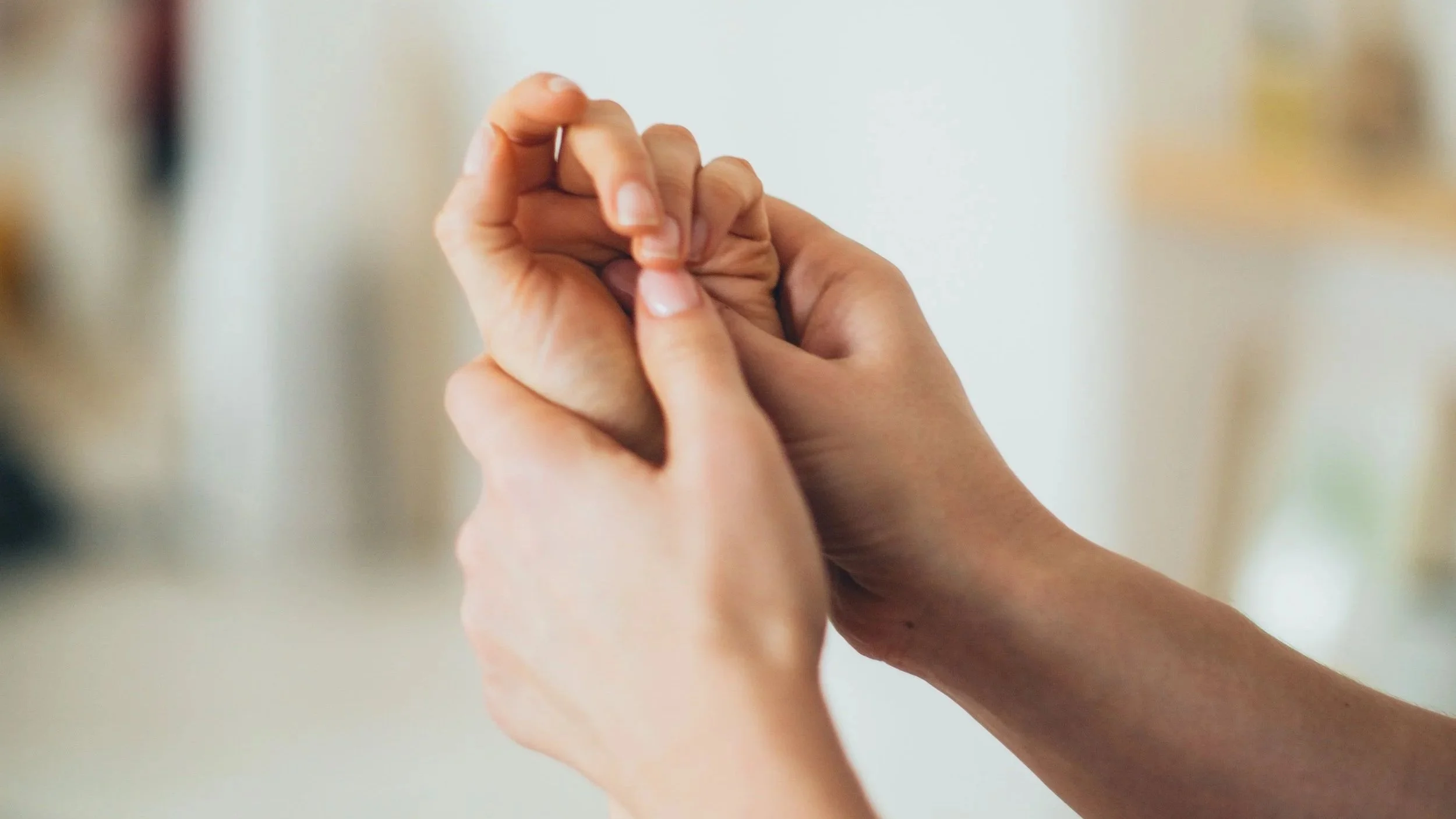
Your wrist has become the office's most overworked middle manager: fielding Slack messages, steering a trackpad, carrying grocery bags, gripping subway poles, and somehow also holding your phone in bed. So when numbness or tingling shows up in your thumb, index, and middle fingers, the search for carpal tunnel massage in NYC tends to happen fast, usually somewhere between a late-night work sprint and an alarming Google spiral.
Massage can be a useful part of the picture. But it is not a fix for every aching wrist, and a credible massage therapist will not pretend otherwise. The smarter question is whether massage can ease the tension and movement patterns adding to your symptoms, while helping you recognize when it is time for a medical evaluation.
What massage can and cannot do for carpal tunnel symptoms
Carpal tunnel syndrome involves compression of the median nerve as it passes through a narrow space in the wrist. Classic symptoms include tingling, numbness, burning, or weakness in the thumb, index finger, middle finger, and part of the ring finger. Some people notice it most at night; others when driving, texting, or opening a stubborn jar.
The complication is that not every hand symptom is carpal tunnel. Similar sensations can start higher up: in the forearm, elbow, shoulder, neck, or upper back. Someone who spends ten hours switching between a laptop and a phone may have a wrist issue. They may also have a forearm that is constantly gripping, shoulders drifting forward, and a neck recruited into the project against its will.
A skilled massage therapist can look at that broader pattern and work the tissues adding load around the wrist and arm: the forearm, hand, upper arm, shoulder, chest, and upper back. The goal is not to press hard into an already irritated wrist, which is usually a bad idea.
What massage may help with is muscular tension, stiffness, and the general sense that your arm has been clenched around an invisible stress ball all week. For some people, that brings real short-term relief and makes it easier to stick with a clinician's plan, which might include activity changes, a wrist brace, or physical therapy.
What massage cannot do is diagnose nerve compression, reverse nerve damage, or replace medical care when symptoms are progressing.
When carpal tunnel massage is worth considering
Massage makes the most sense when your symptoms seem connected to a larger pattern of arm and upper-body tension. Maybe your wrist gets cranky after a week of deck revisions. Maybe you are training for a race while working from a couch. Maybe you are a new parent whose hands are lifting, feeding, and carrying with almost no recovery time.
Your massage therapist may spend less time on the wrist than you expect and more time on the forearm, upper arm, shoulder, and chest. That is not a bait-and-switch. It is anatomy. The hand does not operate as a separate borough.
A Back, Neck & Shoulders session is often the right fit, since it covers the head, neck, shoulders, back, arms, and hands in one focused hour. The pressure should be responsive rather than intense, especially when tingling is involved, and a good session leaves room for feedback about what reproduces symptoms and what calms them.
Consistency matters more than one heroic appointment. If your daily habits keep loading the same tissues, one massage can feel great without changing the pattern for long. Regular sessions work best alongside small changes in how you work and rest.
The desk setup is not boring when your hand is numb
Keep your wrists as neutral as you reasonably can while typing and mousing, rather than bent sharply up, down, or sideways. Bring the things you use most often closer, so you are not reaching with a tense shoulder. If you work on a laptop, use a separate keyboard and mouse when you settle in for more than a quick email. And take short breaks before your hands start filing complaints.
The goal is not perfect posture. Nobody holds a museum-quality position through three video calls. The goal is variety: change positions, stand up, open and close your hands, and give your grip a break from your phone. (More on desk tension here.)
Signs you should see a medical professional first
Massage is reasonable support for mild, on-and-off discomfort. It should not be your first or only move if symptoms are persistent, worsening, or affecting how you use your hands.
See a medical professional if you have ongoing numbness, increasing hand weakness, frequent nighttime symptoms, pain that is not improving, or trouble with fine tasks like buttoning clothes or holding keys. Visible muscle loss at the base of the thumb needs prompt evaluation. If symptoms followed an injury or come with sudden severe weakness, get care right away. Nerves do not care about your productivity calendar, and getting clarity early gives you more options.
What to tell your massage therapist
Say which fingers are involved, whether symptoms wake you at night, whether you have a diagnosis, and what makes things better or worse. Mention any wrist surgery, recent injury, arthritis, diabetes, or pregnancy.
Then describe your actual week. "I work at a computer" is a start. "I edit video eight hours a day, climb twice a week, and spend an hour on the train holding my phone one-handed" is much better.
The less glamorous prevention plan
Save your grip strength for things that deserve it. Alternate hands when carrying bags. Stop white-knuckling your phone. Build breaks into repetitive tasks, and notice whether a workout or hobby recently ramped up faster than your body adapted.
Sleep matters too. Many people bend their wrists while sleeping without realizing it, which can make nighttime tingling worse. A clinician may recommend a wrist brace for sleep, and that plus a few daytime changes may do more than any single massage.
At PRESS
Our licensed massage therapists work with the whole chain, hands, forearms, shoulders, and neck, rather than treating the wrist in isolation. Visit us in Williamsburg, Brooklyn; Greenpoint, Brooklyn; Union Square, Manhattan; Columbus Circle, Manhattan; or Long Island City, Queens. Book here when your hands are asking for a more serious plan.
Read also:
Rachel Beider is the Founder and CEO of PRESS Modern Massage, an independently owned group of massage studios in New York City specializing in personalized, anatomy-informed therapeutic bodywork. A New York State Licensed Massage Therapist and the author of Press Here! Massage for Beginners, Beider founded the company in 2008 with a focus on combining clinical expertise with a modern, client-centered experience. Her work and insights have been featured by publications including The Wall Street Journal, Forbes, Entrepreneur, and Refinery29.