
Massage for Chronic Pain in NYC: What It Can and Cannot Do
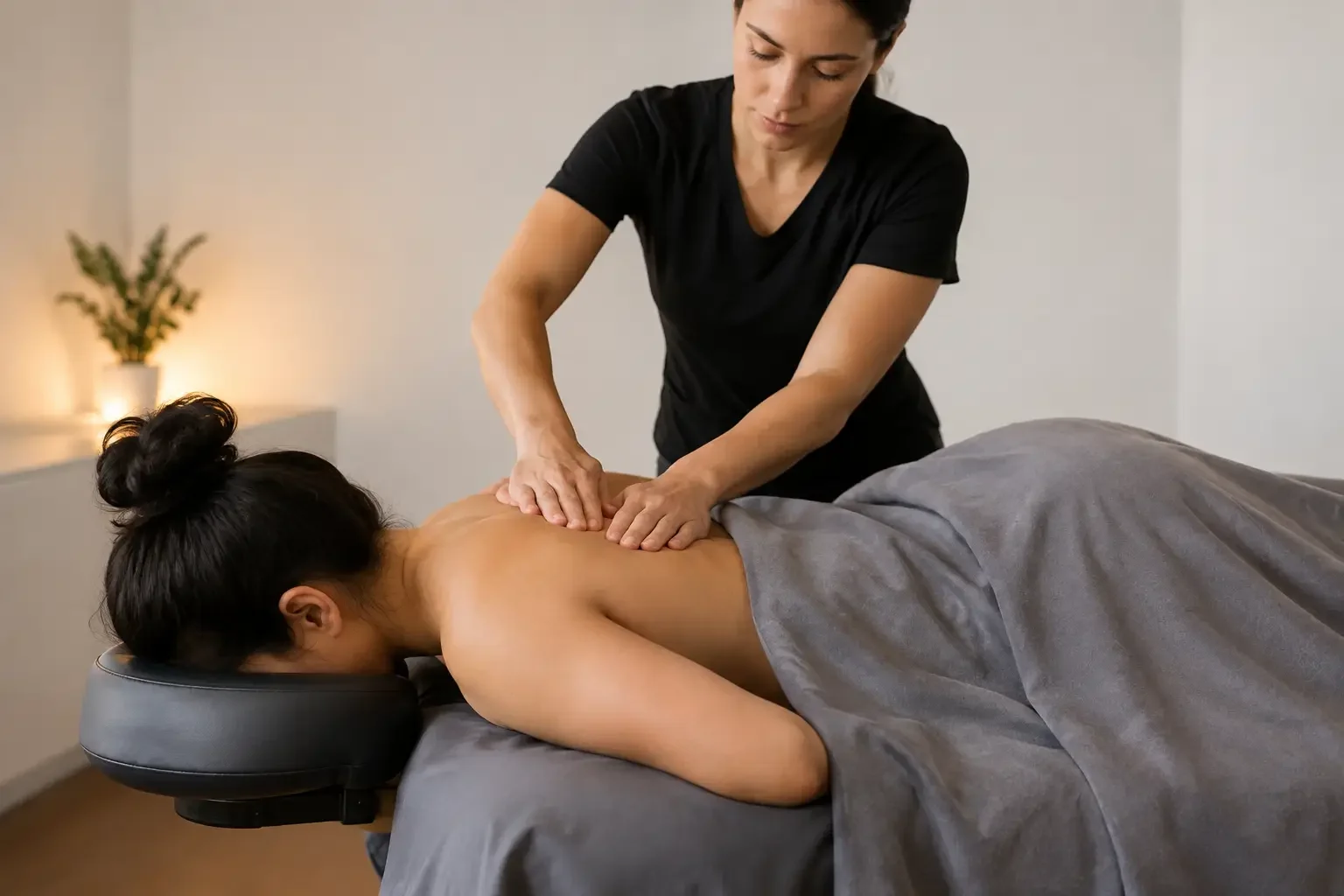
New York has a particular talent for turning manageable discomfort into a personality trait. The laptop shoulder. The running knee you keep "loosening up." The low back that objects to a 40-minute subway ride, then objects again when you stand at your standing desk. When pain hangs around long enough, it stops feeling like an episode and starts dictating small decisions all day.
That is where massage for chronic pain in NYC can be useful: not as a grand fix, and not as a substitute for medical care, but as one practical part of a plan to move more comfortably, sleep with fewer interruptions, and spend less mental energy negotiating with your own body.
Chronic pain is not just a tight muscle problem
Chronic pain generally means pain that persists beyond the expected healing period, often for three months or more. That definition is tidy. The real-life version is less so. Pain can involve irritated tissue, an old injury, repetitive strain, nervous-system sensitivity, stress, poor sleep, workload, and the entirely unglamorous fact that you have been carrying a tote bag on the same shoulder since 2019.
This is why a targeted massage should not be sold as a cure. The evidence around massage for chronic pain is encouraging for some conditions and less definitive for others. Many people experience short-term relief in pain and stiffness, improved range of motion, and better relaxation or sleep. How long that relief lasts depends on the condition, the person, and what happens between sessions.
The useful question is not, "Can massage erase this forever?" It is, "Can it give me enough relief and movement to function better while I address the bigger picture?" For plenty of people, that is a meaningful win.
Why pain feels louder in New York
The city does not cause every ache, obviously. But it can be excellent at maintaining one. Desk work has expanded beyond offices into kitchen counters, couches, airport gates, and the occasional five-hour focus sprint that starts as ambition and ends as a headache. Add screens, deadlines, strength training, parenting, travel, and sleep that gets treated as negotiable, and the body rarely gets a calm stretch of time to recover.
Persistent pain also has a way of shrinking your movement choices. You stop rotating fully because your neck feels guarded. You skip lifting because your back is unpredictable. You avoid long walks, which is an especially rude development in a city built for walking. Over time, that protective strategy can create more stiffness, more worry about movement, and less confidence in what your body can do.
A skilled massage therapist works with that reality rather than trying to overpower it. The goal is not to "break up" every knot through brute force. Often, a body that is already bracing does better with thoughtful pressure, attention to surrounding areas, and a plan that changes as your symptoms do.
What targeted massage can realistically help with
Massage tends to be most useful when the work matches the actual complaint. A generic full-body session can feel good, but someone with persistent jaw tension and desk-related headaches may need a different approach than a runner whose calves and hips feel chronically overworked.
For neck, upper-back, and shoulder discomfort, a massage therapist may focus on the tissue around the shoulder blades, chest, neck, and upper back, not just the spot that hurts most. The body is not an office org chart. The painful area is not always the only department involved.
For low-back discomfort, the work may include the hips, glutes, hamstrings, and mid-back, depending on your movement patterns and symptoms. For people dealing with training fatigue, massage can support recovery by easing the sense of heaviness and helping restore comfortable motion. It cannot replace smart programming, rest, or an evaluation for an injury, but it can make the gap between workouts and daily life feel less punishing.
Headaches are another common NYC complaint. If yours seem connected to jaw clenching, screen posture, or upper-body tension, targeted bodywork may reduce some of the muscular contributors. But recurring, severe, sudden, or changing headaches deserve medical attention, particularly if they come with neurological symptoms, fever, vision changes, or other unusual signs.
The pressure question is more complicated than it sounds
People often assume chronic pain requires deep pressure. Sometimes deeper work feels satisfying. Sometimes it leaves you more sore, more guarded, and annoyed that you paid for a session that turned into a recovery project.
Pressure should be a tool, not a personality. With persistent pain, the most effective session may involve firm, specific work in certain areas and lighter, slower contact elsewhere. The right amount depends on your sensitivity that day, your health history, how your body responds after massage, and what you need to do tomorrow. A massage therapist should check in, adjust, and treat your feedback as useful clinical information, not a failure of toughness.
The best post-session outcome is usually not "I could barely walk out." It is "I can turn my head, take a full breath, and get through my week with less resistance."
How to make massage part of a pain-management plan
Consistency matters more than heroic occasional sessions. If pain has been building through months of long workdays, childcare logistics, and poor sleep, one appointment may offer relief without changing the overall pattern. A regular cadence gives you and your massage therapist the chance to notice what is improving, what keeps returning, and which areas need a different strategy.
That does not mean everyone needs the same schedule. Someone managing a temporary flare after travel may benefit from a few closer-together sessions. Someone with stable, recurring tension may prefer maintenance visits around a demanding work or training calendar. The right frequency is the one that produces a noticeable functional benefit without becoming another item you resent managing. (If monthly is that rhythm, the PRESS membership is built around it.)
It also helps to arrive with a useful description of the problem. "My shoulder hurts" is a starting point. "My right shoulder feels pinchy after two hours at my computer, and I wake up when I roll onto that side" is much more actionable. Mention old injuries, surgeries, medications, numbness or tingling, current medical care, and what has or has not helped before.
Afterward, resist the urge to treat the session as permission to return immediately to the exact setup that aggravated you. A brief walk, more frequent screen breaks, a modified workout, or changing how you carry your bag can help the effects last longer. Not glamorous, admittedly. Often effective, though.
When massage is not the first move
Massage is not appropriate for every pain presentation. Seek prompt medical care for sudden severe pain, chest pain, unexplained swelling, fever, new weakness, loss of bowel or bladder control, numbness in the groin area, or symptoms after a significant fall or accident. A massage therapist should also know about blood clots, active infections, recent procedures, fractures, skin conditions, cancer treatment, pregnancy, and other relevant health factors so the session can be adapted or postponed when needed.
For ongoing pain that is worsening, unexplained, or interfering substantially with daily life, it is wise to involve a physician or appropriate specialist. Massage can work alongside physical therapy, exercise, medication, and other clinician-guided care. It is not a contest between modalities. The point is to find the combination that gets you moving and living with more options.
What a good session should feel like
A worthwhile chronic-pain massage begins with a conversation, not a script. Your massage therapist should ask where symptoms show up, what aggravates them, what makes them easier, and what you want from the session. The plan may shift once they assess how your body responds to touch and movement.
You should leave with a clearer sense of what was addressed and what to watch for over the next day or two. Mild tenderness can happen, especially after work on areas that have been sensitive or underused. Sharp pain, significant bruising, or a big symptom flare is not a badge of effectiveness. Say something during the session and report it afterward so future work can be adjusted.
At PRESS
Targeted massage is available at our studios in Williamsburg, Brooklyn; Greenpoint, Brooklyn; Union Square, Manhattan; Columbus Circle, Manhattan; and Long Island City, Queens. If chronic pain has made your body feel like one more demanding inbox, book here for care that starts with what is actually bothering you, and what you want to get back to doing.
Read also:
