
Massage for Hip Pain in NYC: When Sitting Is the Cause
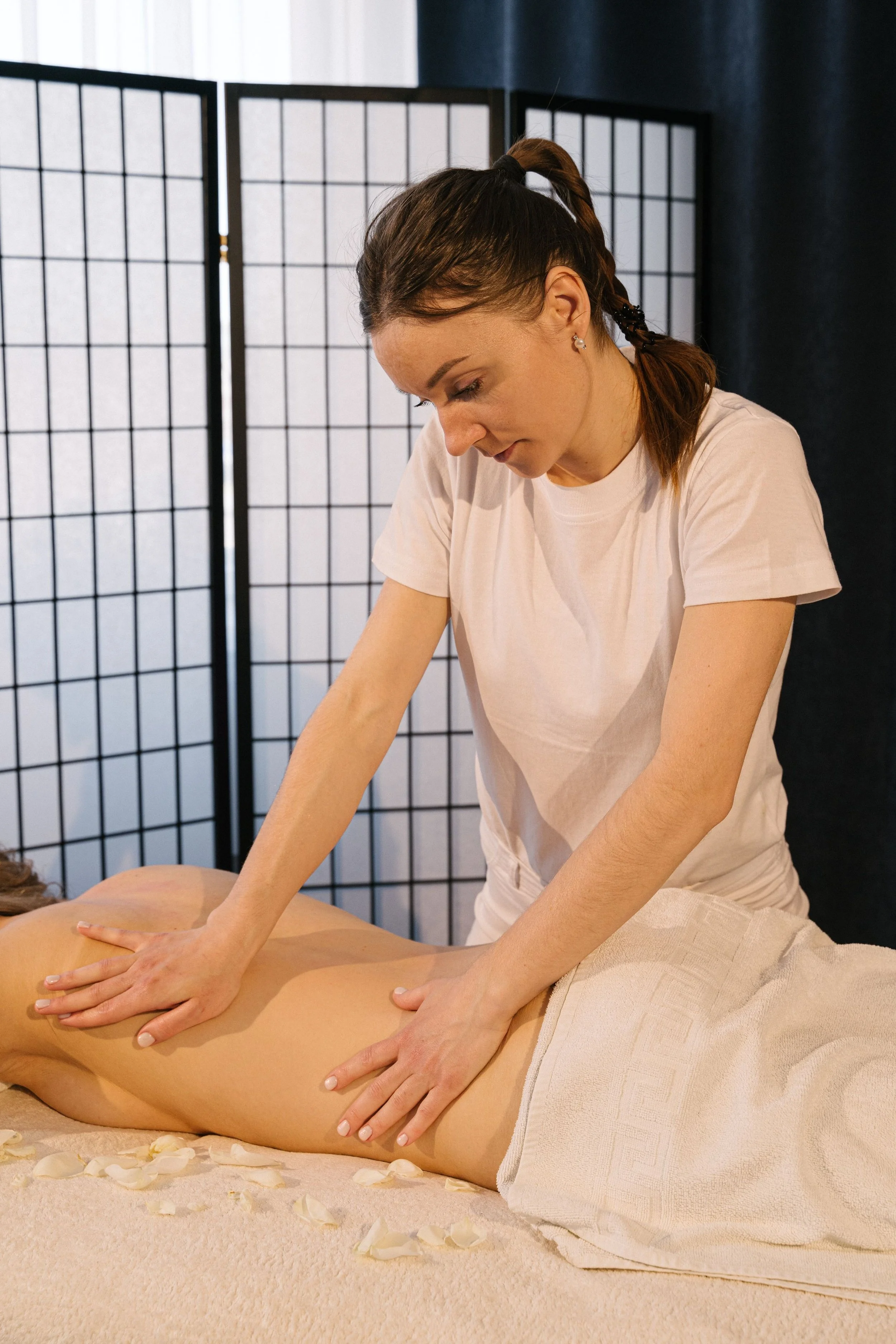
Your hip does not care that you finally bought the ergonomic desk chair. It still has to absorb eight hours of sitting, a crowded subway commute, a rushed workout, and the strange one-legged stance required to put on a child's shoe while answering Slack. That is why people searching for massage for hip pain in NYC are usually looking for more than a relaxing hour. They want to walk, sleep, squat, run, and sit through a meeting without constantly negotiating with one side of their body.
Hip pain is also one of those annoyingly imprecise phrases. What feels like "the hip" may be discomfort in the outer glute, the front crease of the hip, the low back, the groin, or the muscles that steady the pelvis. A thoughtful massage session starts there: not with a generic routine, but with a clearer picture of what hurts, when it shows up, and what the surrounding tissue may be doing.
Why hip pain feels like a New York problem
New Yorkers are unusually good at accumulating small physical compromises. You sit with one leg crossed during a client call. You carry a tote on the same shoulder from Union Square, Manhattan, to the train. You train hard on Saturday, then spend Sunday folded into a restaurant banquette. None of these is a moral failure, obviously. But repeated positions can leave the hip and its supporting muscles less tolerant of load.
The hip is a busy intersection. The glutes help control movement when you walk and climb stairs. The hip flexors work when you lift your knee and stabilize your trunk. Muscles around the low back, pelvis, and thigh all influence how the area feels. When one region becomes overworked or guarded, another may take on more than its share.
This is why the painful spot is not always the only place worth addressing. Persistent tightness at the outer hip, for example, may travel with stiff glutes, a cranky low back, or thighs that have been doing the stabilizing work the pelvis has not been sharing very efficiently. That does not mean every hip problem is caused by "tightness." It means a good massage therapist looks at the pattern, not just the complaint.
What massage for hip pain can do
Targeted massage can be useful when hip discomfort is tied to muscular tension, training fatigue, prolonged sitting, or the general accumulation of urban life. A massage therapist may work through the glutes, hip flexors, upper thighs, adductors, and low-back muscles, adjusting pressure and pacing based on what your body can tolerate that day.
The immediate result is often a sense that the area can move more freely. For some people, that means getting up from a desk chair without the first few stiff steps. For others, it means a deeper squat at the gym, less pulling during a long walk, or fewer position changes at night.
The evidence around massage is strongest when the goal is symptom relief and short-term improvement in comfort or range of motion, particularly for common musculoskeletal aches. It is not a magic fix for every kind of hip pain, and it does not replace a diagnosis when one is needed. The better expectation is practical: massage may reduce the muscular guarding and soreness that make normal movement feel harder, while helping you notice the habits that keep aggravating the area.
Pressure matters. More intense is not automatically more effective, especially when tissue is already sensitive. The useful session is the one that leaves you feeling more functional afterward, not like you have been tenderized for sport. A skilled massage therapist can work specifically without turning your hip into a bruising experiment.
The front, side, and back of the hip tell different stories
Pain at the front of the hip can show up after long periods of sitting, uphill walking, cycling, or lots of knee-lifting movements. Massage may focus on the surrounding hip flexors, thighs, and abdominal-adjacent tissues, while avoiding the assumption that the front crease itself needs aggressive pressure.
Outer-hip discomfort is common among runners, walkers, side sleepers, and people who spend a lot of time standing on one leg. The muscles around the glutes and lateral thigh may benefit from measured work, but a massage therapist should not simply attack the sorest point. Sometimes direct pressure there is irritating rather than helpful.
Pain that feels deep in the buttock or blends into the low back can be especially hard to interpret. Massage may help ease the surrounding muscular tension, but the session should include conversation about sitting, lifting, training changes, and whether symptoms travel down the leg. Bodies are not always tidy enough to honor our preferred anatomical categories.
What a targeted session should feel like
Before the work begins, be specific. "My hip hurts" is a useful starting point, but details make the session better. Mention whether the pain is sharp, dull, achy, pinching, or burning; whether it appears while sitting, walking, running, sleeping, or climbing stairs; and whether it stays local or radiates.
Also mention recent changes. A new strength program, half-marathon training, travel, carrying a toddler, a different work setup, or a sudden increase in walking can matter more than the calendar date when discomfort began. If you have imaging, a diagnosis, prior surgery, or advice from a medical professional, share that too.
A massage therapist can then tailor the work. That may include broad, calming contact first, followed by more focused techniques to the glutes, thighs, low back, and other involved areas. It may also include gentle movement or position changes that help identify what feels restricted versus what simply feels tender.
The goal is not to prove your toughness. If pressure creates sharp pain, tingling, numbness, or the sense that you are bracing against the table, say so. Useful bodywork requires feedback. Your massage therapist is reading tissue, but you are still the person who lives in it.
The part after the massage that determines whether it sticks
A great session can make movement feel easier. It cannot make a 70-hour workweek, zero sleep, and a sudden return to five-mile runs disappear. The days after a massage are a useful window to test what changed and make one or two realistic adjustments.
Try a short walk rather than collapsing immediately onto the couch. Notice whether your stride feels different. If sitting triggers your symptoms, stand up for a minute between calls instead of waiting for an idealized 45-minute mobility routine that will never happen. If training is the obvious trigger, consider reducing volume briefly while keeping pain-free movement in the picture.
Consistency can be more helpful than occasional rescue sessions for recurring tension. The right cadence depends on how persistent the discomfort is, your training schedule, your medical history, and whether your pain settles between appointments. Someone preparing for a race may have different needs than a founder who has not left a laptop setup in three weeks.
Massage also works best alongside appropriate strengthening and mobility work when those are indicated. If a physical therapist or physician has given you a plan, massage can complement it by making the muscular side of the problem more manageable. It should not compete with care that is addressing a diagnosed injury.
When massage is not the first stop
Hip pain deserves medical evaluation sooner rather than later if it follows a fall or accident, prevents you from bearing weight, becomes suddenly severe, or comes with fever, unexplained swelling, numbness, weakness, or changes in bladder or bowel function. Pain that is worsening, persists despite reasonable adjustments, repeatedly wakes you at night, or feels deep in the groin should also be assessed.
Those are not reasons to panic. They are reasons not to turn every physical problem into a tight-muscle narrative. New York has enough amateur diagnosing already.
For more ordinary, persistent discomfort, massage can be a smart part of a larger plan: reduce the immediate noise in the tissue, move with more information, and stop waiting until your body has to send a calendar invite marked urgent.
At PRESS
Targeted full body massage is available in Williamsburg, Brooklyn; Greenpoint, Brooklyn; Union Square, Manhattan; Columbus Circle, Manhattan; and Long Island City, Queens. Book here when your hip has made its point and you are ready to respond with something more useful than another stretch performed beside the bed.
Read also:
Written by Rachel Beider, LMT, founder of PRESS Modern Massage. Rachel is a New York State–licensed massage therapist and AMTA member with nearly two decades of experience in massage therapy and wellness.
