
Postpartum Massage NYC for Real Recovery
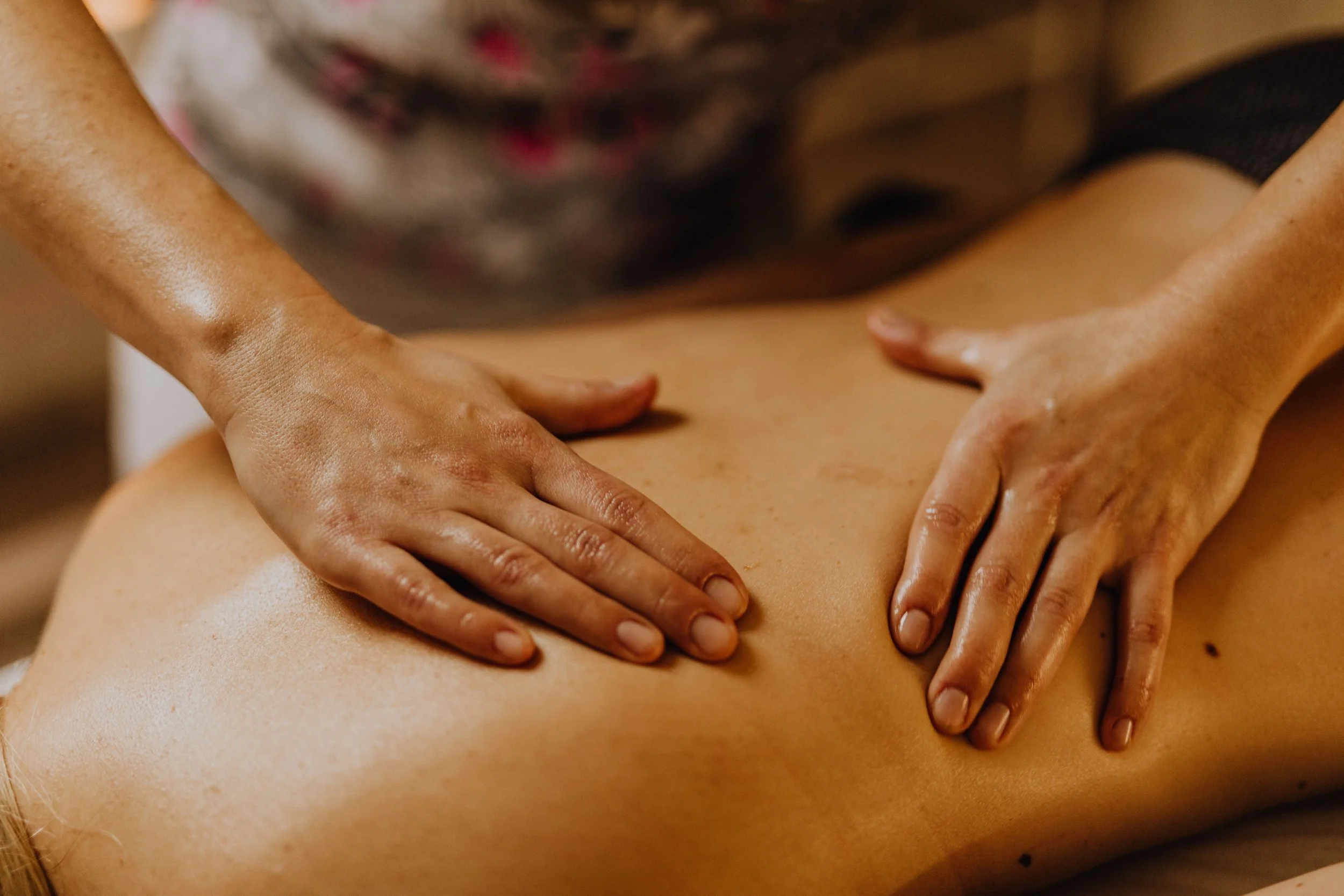
New York parents are famously good at operating on very little. A 3 a.m. feeding, a 9 a.m. meeting, a stroller that somehow weighs more than a small appliance - handled. But the body keeps receipts. The classic postpartum complaint is not one dramatic injury. It is a pileup: neck pain from looking down, a clenched upper back, hips that feel unfamiliar, wrists irritated by repetitive lifting, and the kind of fatigue that makes your shoulders migrate toward your ears.
That is where postpartum massage in NYC, which you will also see called postnatal massage, can be useful, not as a ceremonial treat for surviving parenthood, but as practical body maintenance during a physically strange, demanding season. A skilled licensed massage therapist cannot replace medical care, sleep, or a meal eaten with both hands. They can, however, address the muscle tension and movement habits that make daily life more uncomfortable than it needs to be.
Recovery is not a straight line
Postpartum recovery gets discussed in broad, cheerful terms: listen to your body, give yourself grace, rest when possible. Reasonable advice, but vague enough to be almost useless when your baby is screaming, your laptop is open, and the laundry has developed its own ecosystem.
Your recovery timeline depends on pregnancy, delivery, sleep, feeding, prior injuries, and whether you have support at home. Vaginal birth and cesarean birth have different considerations, but neither produces a single universal schedule for returning to exercise, work, or massage. Medical clearance matters, especially after complications, significant bleeding, a cesarean birth, infection, blood-pressure concerns, or a history of blood clots.
Once your obstetric provider or other qualified medical clinician says massage is appropriate, the goal is usually straightforward: reduce muscular guarding, make ordinary movement easier, and give your nervous system a credible signal that it can downshift for an hour. That last piece is not mystical. Persistent stress and fragmented sleep can keep the body keyed up, while calm, comfortable touch may support relaxation. The research on massage for postpartum-specific outcomes is still limited and varies in quality, so it is wiser to frame massage as supportive care, not a cure-all.
The new-parent aches are remarkably predictable
The baby does not care whether you had perfect desk ergonomics before delivery. Feeding often puts the neck into sustained flexion. Holding a baby on one hip can overload the shoulder and side body. Reaching into a crib, carrying a car seat, and walking for hours because the stroller is the only reliable nap technology all add up.
A postpartum session should begin with a conversation, not a preset routine. A licensed massage therapist can ask where discomfort appears during the day, what positions are tolerable, whether you are feeding, and what your medical team has advised. That information shapes the work. Someone with headaches and upper-back tightness may need focused attention around the upper trapezius, chest, neck, and shoulder blades. Someone whose low back complains during carrying may benefit from work around the glutes, hip rotators, and surrounding muscles, along with simple suggestions for changing sides and reducing the most repetitive positions.
If your wrists and thumbs are the loudest complaint, you are in large company: repetitive lifting and feeding positions are hard on the forearms, and hand and wrist symptoms deserve the same targeted, restrained approach as everything else in this season.
The point is not to chase every knot with maximum pressure. Postpartum bodies are often tired, sensitive, and adapting quickly. More force is not automatically more effective. A thoughtful session may feel focused and substantial without leaving you sore enough to dread picking up your baby the next day.
Feeding posture is a repeat offender
Whether you are nursing, pumping, bottle-feeding, or rotating through all three, feeding can become a small-scale posture marathon. The culprit is usually not the act itself. It is the long, still position, often paired with a phone angled below eye level and a parent trying not to disturb a sleeping baby.
Massage can help with the muscular result: tight pecs, achy shoulders, neck tension, and forearm fatigue. It works best alongside a few boring-but-effective adjustments. Bring the baby to you with pillows rather than rounding toward them. Support your arms. Put the phone somewhere less punishing. Switch sides when possible. Your body does not need a lifestyle overhaul. It needs fewer uninterrupted hours in the same cramped shape.
Cesarean recovery requires a lighter touch, literally
After a cesarean birth, abdominal tissue and the incision area need time to heal. Direct work on or near a scar should happen only when it is fully closed, healed, and cleared by your medical clinician. Early on, a postpartum massage can still focus elsewhere: the neck, shoulders, upper back, legs, hips, hands, and feet have likely been carrying plenty.
If scar sensitivity, pulling, numbness, or abdominal discomfort persists, ask your medical clinician whether pelvic floor physical therapy or another postpartum rehabilitation specialist belongs in your plan. Massage and physical therapy can be complementary, but they do different jobs. A licensed massage therapist should be comfortable staying within scope and referring out when a symptom needs more specialized assessment.
What to ask when booking postpartum massage in NYC
New York has no shortage of massages that look excellent on a booking screen and turn out to be a generic full-body sequence performed in a dim room. For postpartum care, specificity matters more than ambiance.
Ask whether the practice regularly works with postpartum clients and whether the licensed massage therapist will tailor positioning and pressure to your current comfort. Tell them how far postpartum you are, whether you had a cesarean birth or complications, and where you are feeling the most strain. Mention any swelling that is new or one-sided, calf pain, shortness of breath, fever, severe headache, chest pain, or unusual weakness. Those are reasons to contact a medical professional promptly rather than book a massage.
Also be honest about your bandwidth. The best first session may be 60 minutes focused on the areas that are driving you crazy, not an ambitious attempt to fix every square inch of your body. If you have childcare for exactly 75 minutes between drop-off and your first Slack message of the day, that constraint is clinically relevant enough.
A routine beats the rescue appointment
There is a particular New York tendency to wait until something becomes intolerable, then attempt to solve it with one very intense appointment. That approach can be useful for an acute flare-up, but postpartum life is repetitive by design. Feed, lift, carry, soothe, type one-handed, repeat.
For that reason, a regular cadence often makes more sense than an occasional emergency session. The right frequency depends on symptoms, budget, sleep, exercise, and the degree of support at home. Some parents want closer-together sessions during the early feeding-heavy weeks, then taper as routines settle. Others do better with a monthly appointment that catches tension before it becomes a headache, a stiff neck, or another reason to avoid strength training.
Massage is most useful when it fits inside a broader recovery plan. Hydration, adequate nutrition, gentle movement when cleared, sleep wherever it can be found, pelvic floor rehabilitation when indicated, and medical follow-up all matter. The good news is that body care does not need to become another project managed in a color-coded app. A well-timed session can simply make carrying your child, sitting at your desk, and getting through the subway stairs feel less punishing.
The case for getting your shoulders back
The early postpartum period has a way of shrinking your physical world. You spend hours looking down at a tiny person, then look up and realize your neck has become a grievance. Addressing that discomfort is not frivolous. Pain and restricted movement can make work, sleep, exercise, and caregiving harder, which is already more than enough reason to take it seriously.
A good postpartum massage is not about pretending your body has gone back to normal. It is about meeting the body you have now with intelligent, responsive care - one that has done an enormous amount and is still expected to carry groceries, a baby, and everyone else's calendar.
At PRESS
PRESS offers anatomy-based pregnancy and postnatal massage with licensed massage therapists across the city in Williamsburg, Greenpoint, Union Square, Columbus Circle, and Long Island City, Queens. Mention where you are in your recovery when booking so your session can be matched to it. Book now.
Read also:
