
Full Body Massage in NYC: What It Should Actually Cover
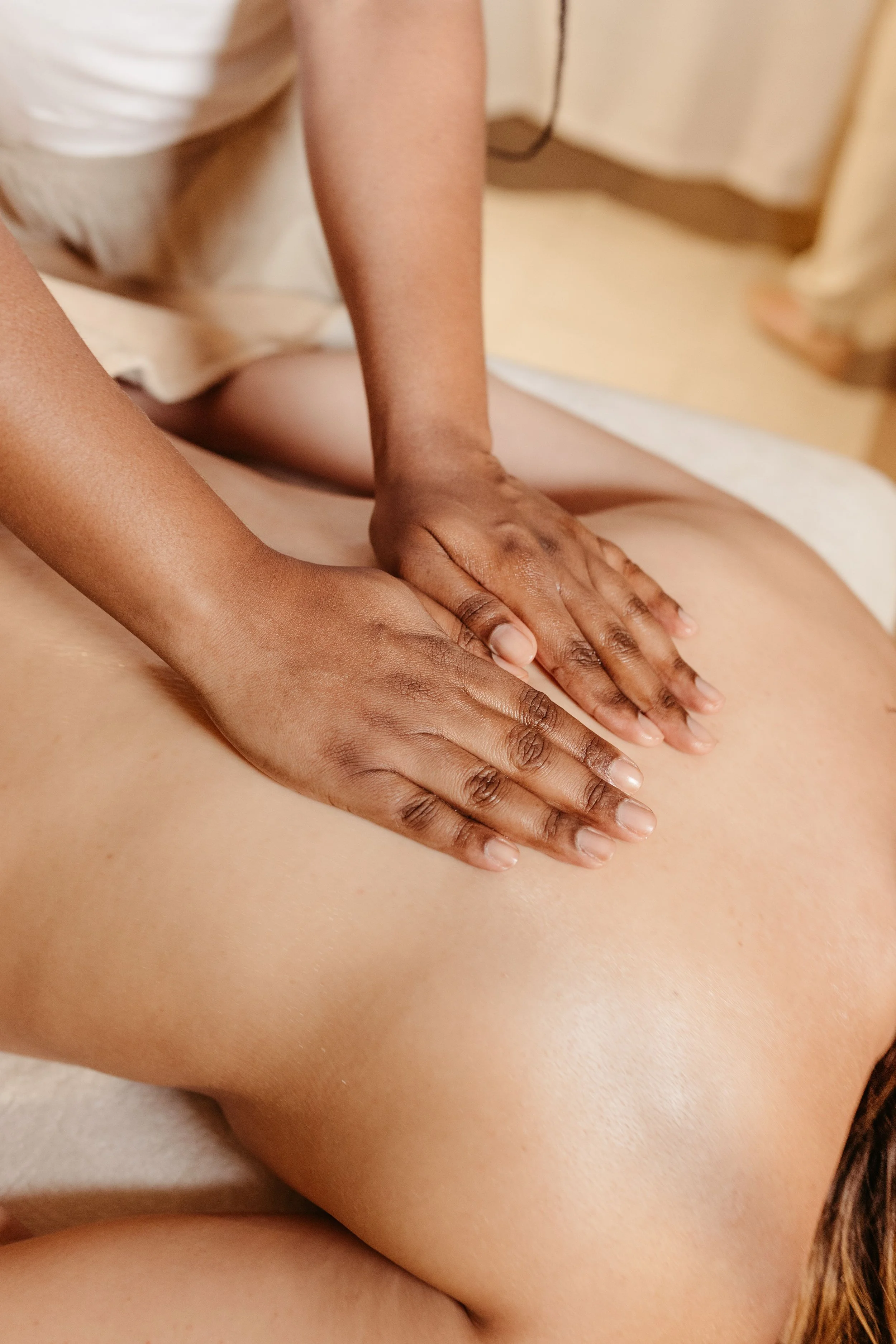
Your body now attends more meetings than your mind can reasonably tolerate. It hunches over a laptop, braces on a packed subway, holds still through a three-hour flight, then gets asked to deadlift, carry a toddler, or sleep beautifully on command. A full body massage in NYC is not an escape from that reality. Done well, it is a practical response to it.
The distinction matters. New Yorkers are not short on places to lie down in a dark room. What is harder to find is bodywork that takes a whole-body view without treating you like a generic stress vessel. A skilled massage therapist can see how tension travels, from jaw to neck, hip to low back, forearm to shoulder, and build a session around what your body is doing all week.
A full body massage is not just a longer back rub
The phrase can mean very different things. For some people it means broad, calming work from shoulders to feet. For others it means finally addressing the low back that has been paying for tight hips, poor sleep, and a too-soft couch.
At its best, a full body session gives your massage therapist enough time to work across connected areas instead of chasing one loud complaint. Your right shoulder may be demanding attention, but the useful question is what is asking it to work overtime. A laptop setup that turns every email into a small upper-trap workout? A training plan heavy on pressing? A new baby whose favorite carrying position has become your permanent posture?
Not every ache has one neat cause. But a session that considers the whole map makes more sense than spending an hour attacking one knot with the determination of a bad landlord.
What the PRESS Full Body session includes
Our PRESS Full Body massage is our signature session: a blend of Swedish technique, long gliding strokes that help your body settle, with orthopedic deep tissue work focused on the areas carrying the most tension. Your massage therapist starts with a conversation, then decides where to spend time, working from head to feet while giving extra attention to what you came in for.
It comes in 60 and 90-minute lengths. Sixty minutes covers the whole body with focused time on one or two problem areas; ninety gives your massage therapist room to go deeper where it matters without rushing anything else.
Why New York bodies need whole-body maintenance
City life makes movement both constant and insufficient. You might walk 10,000 steps while spending eight hours seated. You can be physically active and still feel stiff, because training, commuting, work, and recovery are not the same thing.
Screen-heavy work is especially deceptive. Hours of focused attention come with a subtle full-body brace: jaw set, shoulders lifted, breath shallow, hand gripping a mouse. Add high stakes, news alerts, and the low-grade vigilance of city logistics, and tension becomes the default setting.
Massage is not a cure for posture, chronic pain, or burnout, and persistent or unusual symptoms deserve a medical evaluation. But many people find that skilled bodywork reduces short-term soreness and muscle tension, supports relaxation, and makes moving feel easier. Those are meaningful results when your calendar leaves little room for feeling physically terrible.
What to ask for
The smartest request is rarely "deep tissue everywhere." Pressure is only one variable, and if you leave feeling beaten up or unable to train as planned, the session overshot its purpose.
Instead, tell your massage therapist what has changed: the headaches after deadline weeks, the calf tightness during marathon training, the one-sided neck pain from nursing or carrying a child, the shoulder that objects to every overhead bin. Say what you need to do afterward, too. Someone preparing for a race, recovering from travel, or trying to sleep through the night needs different work, even if all three describe themselves as "tight."
You can also give feedback throughout. Pressure, temperature, positioning, and areas you would rather skip are all worth saying out loud.
When a focused session is the better choice
A full body massage is not always the most efficient option. If your issue is intensely local, like a neck and shoulder flare after weeks of presentation prep, a focused Back, Neck & Shoulders session gives that area more sustained attention.
If you are pregnant, book a prenatal massage instead. It is designed for all trimesters, with side-lying or supported prone positioning (prone requested at booking).
And if you have a new injury, numbness, unexplained swelling, fever, or sharp or worsening pain, check with a medical professional first.
What a good session changes
The best result is often unglamorous: turning your head easily while checking for a cab, sleeping without constantly rearranging your pillow, finishing a run without your calves feeling like industrial cable. Sometimes the win is simply noticing where you have been bracing.
If you feel tender afterward, choose a gentle walk over a hard workout. And if you want the benefits to build, a regular rhythm tends to do more than an occasional rescue appointment. A membership makes that easy.
At PRESS
Licensed massage therapists tailor every Full Body session to how you actually live, train, commute, and recover, at our studios in Williamsburg, Brooklyn; Greenpoint, Brooklyn; Union Square, Manhattan; Columbus Circle, Manhattan; and Long Island City, Queens. Book here.
Read also:
Written by Rachel Beider, LMT, founder of PRESS Modern Massage. Rachel is a New York State–licensed massage therapist and AMTA member with nearly two decades of experience in massage therapy and wellness.
