
Massage After Travel in NYC for the Airplane Body
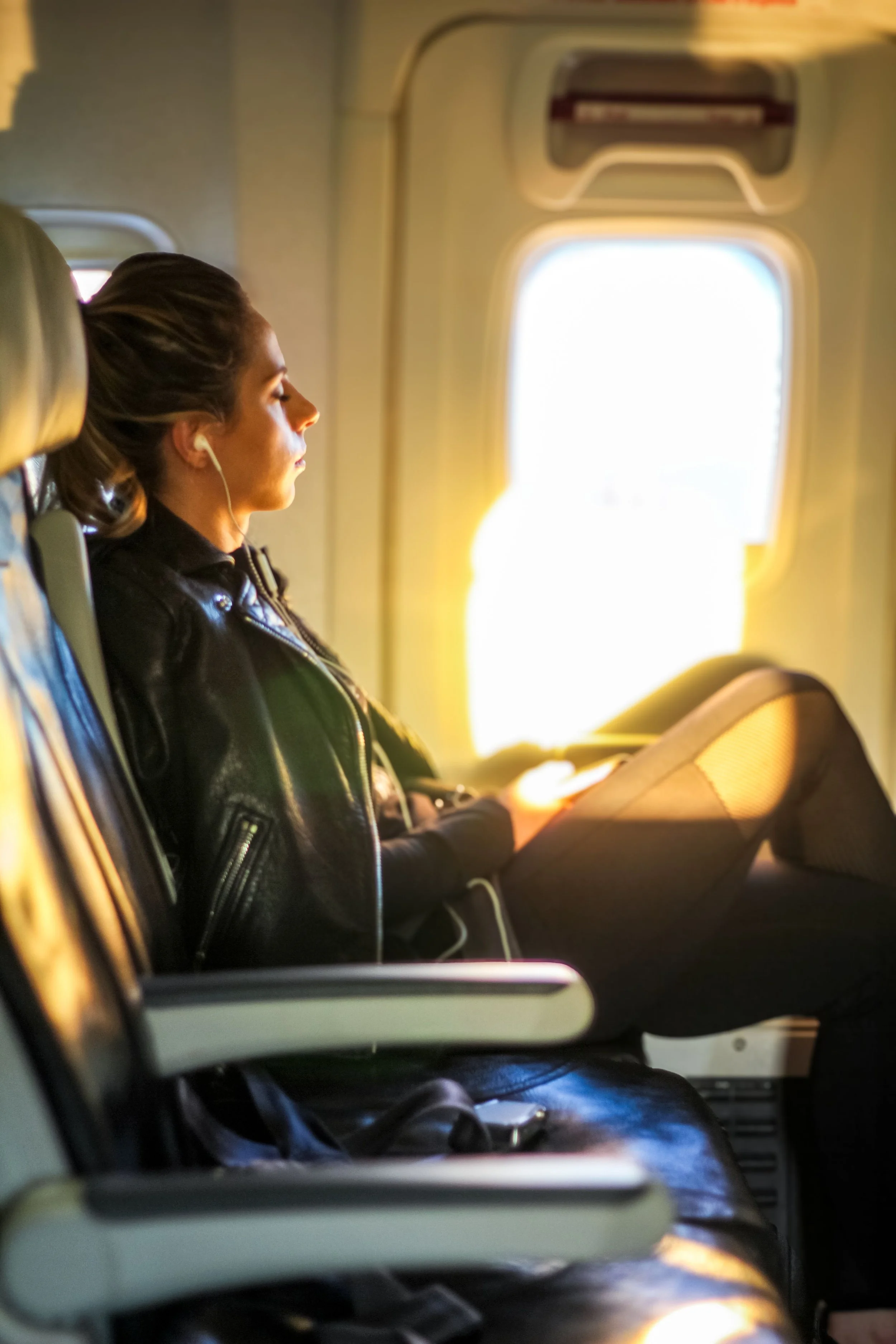
The airport outfit has become its own genre of performance: compression socks, an enormous water bottle, one eye on a delayed flight, and the quiet belief that you will somehow emerge functional. Then you land in New York, haul a suitcase down a subway staircase, sit through two meetings, and discover that your neck has migrated somewhere near your ears.
A massage after travel is less about treating a trip like a luxury event and more about dealing with the ordinary mechanics of getting from one place to another. Hours of sitting leave hips pinched, calves heavy, shoulders braced, and the low back oddly argumentative. Add dehydration, disrupted sleep, a laptop balanced at gate B32, and New York's refusal to let anyone simply stand still, and your body has a case.
Why travel shows up in the body so quickly
Travel fatigue is not just jet lag. Long periods in one position reduce the natural variety of movement your muscles and joints expect. On a flight, train, or long drive, the hip flexors stay shortened, the upper back rounds, and the neck works overtime to keep your head from dropping onto a stranger's shoulder. Even a two-hour flight can make a desk worker's familiar tension feel louder.
The luggage does not help. Dragging a suitcase over uneven sidewalks, lifting bags into overhead bins, or carrying a weekender on one shoulder creates a very New York asymmetry. One side of the upper back gets recruited for the job, and the other files a complaint.
For frequent travelers, this becomes a repeating pattern. You arrive stiff, push through because the schedule demands it, then leave again before your body has quite reset. A well-timed massage is a practical interruption to that cycle.
When to book
It depends on whether your main issue is muscular stiffness, sleep disruption, or genuine illness.
For typical travel tension, like a tight neck, heavy legs, or a cranky low back, a massage that day or the next can make sense. After a long-haul flight, many people do better with a few hours to rehydrate, eat a real meal, shower, and walk before heading to the table.
For jet lag, book for the day after you land, ideally at a time that supports the local schedule you are trying to keep. A late-afternoon session can help you shift out of airplane mode without turning into another nap.
Before you leave can matter too. If you know your shoulders lock up on planes or your hips dislike long drives, a session before departure addresses existing tension instead of asking your body to absorb six more hours of sitting on top of it.
Skip massage and see a doctor if you have one-sided leg swelling, unusual warmth or redness in a leg, chest pain, shortness of breath, fever, or sudden severe pain. After long travel especially, those symptoms need prompt medical attention, not a massage.
What to ask your massage therapist to focus on
You do not need a detailed anatomical presentation. "My right shoulder is tight from my bag," "my hips feel stuck after a red-eye," or "I have a headache that started halfway through the flight" gives a massage therapist plenty to work with.
Travel massage works best with a clear target. For the classic airplane body, that usually means:
Neck, upper back, and shoulders for laptop posture, sleeping upright, and carrying luggage (more on tech neck)
Hips and glutes for prolonged sitting and low-back tightness (more on hip pain)
Calves and feet for long terminals, standing on trains, and post-flight city mileage (more on foot pain)
Forearms and hands for a travel day's worth of phone use and bag handles
If your low back feels compressed, the work may include the hips, glutes, and upper legs rather than treating the back in isolation. If your neck is tight, the chest, shoulders, and upper back often have something to say about it too.
Pressure is a preference, not a character test. More is not automatically better, especially when you are dehydrated, underslept, and running on airport coffee. Tell your massage therapist what feels productive and what feels like too much.
The post-flight headache
Travel headaches tend to be a group project: dry cabin air, poor sleep, skipped meals, screen time, jaw clenching, and an awkward attempt to sleep against a window. Massage may help when muscular tension is part of the pattern, particularly around the neck, shoulders, jaw, and upper back. But water, food, rest, and a little daylight do real work too.
If a headache is new, severe, unusually persistent, or comes with neurological symptoms, get medical care rather than booking a massage.
Make the rest of the day easier on your body
A massage reduces the feeling that your body has been folded into carry-on dimensions, but the effect lasts longer when the next few hours are reasonable. Take a short walk instead of collapsing into three more hours of screen time. Eat something with real nutritional substance. Keep water nearby. If you need to work, change positions before your shoulders quietly recreate the flight.
For sleep, keep the room dark, avoid turning the hotel bed into a second office, and resist solving fatigue with a late-night scroll. A massage can help you feel less wound up, but it cannot reset a time zone on its own.
For frequent travelers: maintenance, not rescue
There is a particular kind of New Yorker who can identify a city's airport from the state of their trapezius muscles. If you travel monthly or weekly, waiting until you are in real discomfort makes care harder to fit in. A regular rhythm lets your massage therapist learn your patterns, like the shoulder that hikes up during deadline season or the hip that complains after every flight, so each session responds to what changed on this trip instead of starting from zero.
At PRESS
A full body massage or focused back, neck and shoulders session can be tailored to the aftermath of sitting, carrying, and sleeping badly in transit. Find us in Williamsburg, Brooklyn; Greenpoint, Brooklyn; Union Square, Manhattan; Columbus Circle, Manhattan; and Long Island City, Queens. Book here and give your body a better landing.
Read also:
Rachel Beider is the Founder and CEO of PRESS Modern Massage, an independently owned group of massage studios in New York City specializing in personalized, anatomy-informed therapeutic bodywork. A New York State Licensed Massage Therapist and the author of Press Here! Massage for Beginners, Beider founded the company in 2008 with a focus on combining clinical expertise with a modern, client-centered experience. Her work and insights have been featured by publications including The Wall Street Journal, Forbes, Entrepreneur, and Refinery29.