
Massage Near Columbus Circle That Fits Your Week
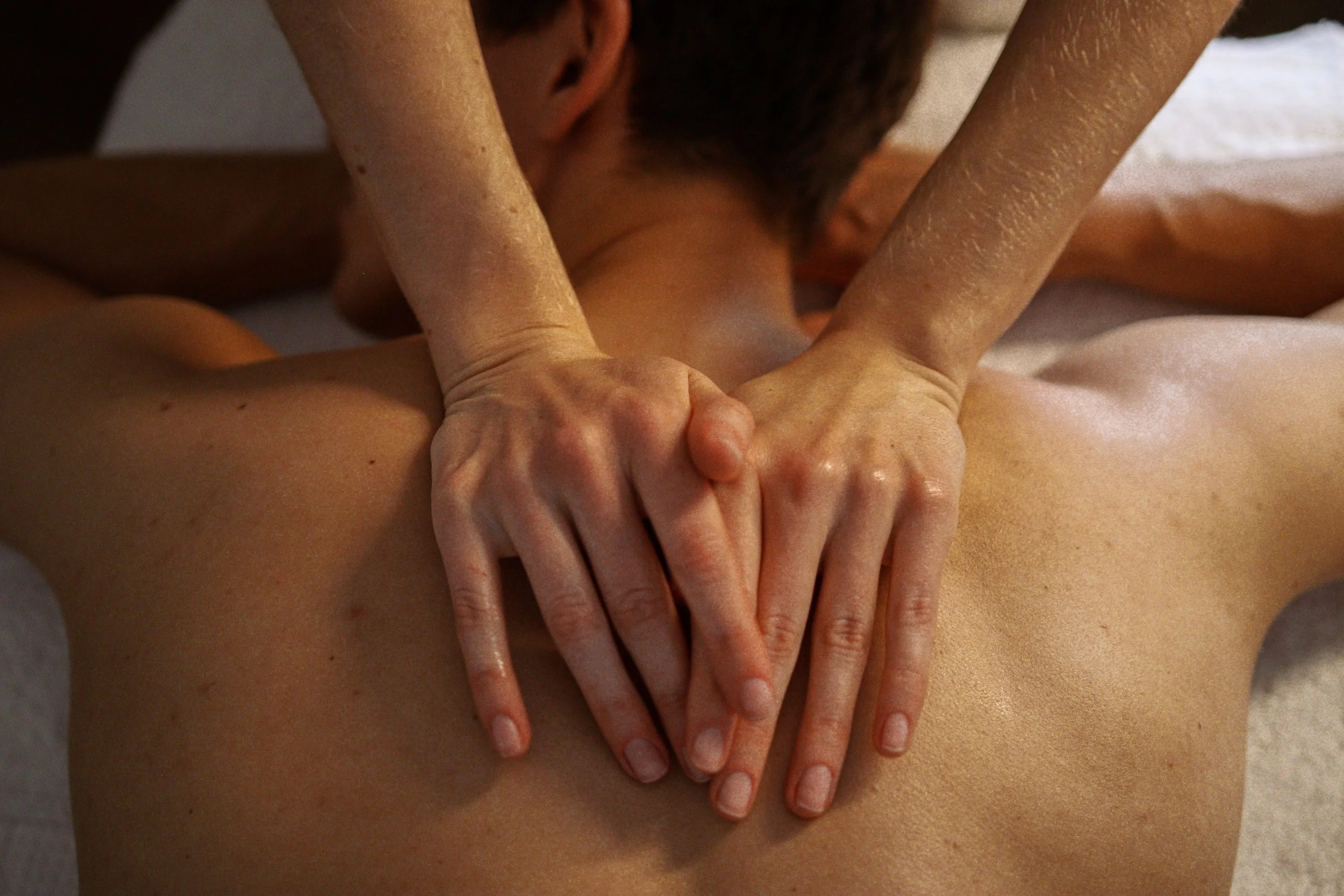
The case for massage near Columbus Circle is rarely that you have nothing else to do. It is usually the opposite: your calendar has turned into a hostile architecture of meetings, subway transfers, screen time, workouts squeezed into odd hours, and a neck that has quietly become part of the problem. Around Columbus Circle, efficiency is not a lifestyle preference. It is survival.
The useful question is not whether massage is "worth it." It is what, specifically, you want a session to change. A massage that addresses the shoulder blade that always feels stuck after a laptop day is a different proposition from a generic hour of relaxation. So is bodywork for a runner whose calves stay tight through recovery days, or a parent who has spent several months holding a baby on one favored hip.
Why Columbus Circle makes a practical massage stop
Columbus Circle sits at one of Manhattan's more intense intersections: office traffic, Lincoln Center evenings, Central Park training loops, hotel guests, retail, tourists, and people moving quickly toward another obligation. You can feel the neighborhood's pace in your body. The jaw stays set. The shoulders rise. Breathing gets shallower without anyone issuing a memo.
That is why proximity matters, though not in the lazy "treat yourself" sense. If care requires crossing the city, it becomes aspirational. If it fits between a morning workout in Central Park and a workday, after a long travel day, or before you head home on the subway, it can become part of how you manage recurring physical stress. Our Columbus Circle studio sits a block from the circle on 57th Street, minutes from the park loop, for exactly that reason.
Consistency has a less glamorous appeal than a once-a-year blowout session. It is also usually more useful. Muscular tightness related to desk posture, training volume, or repetitive movement patterns tends to return when the underlying routine remains the same. Regular sessions give a massage therapist more context about what is changing, what keeps coming back, and where your body is compensating.
What to look for in a massage near Columbus Circle
A good session begins before hands-on work. The massage therapist should ask what is bothering you, how long it has been happening, whether there was an injury or a major change in training, and what would make the session feel worthwhile. "My upper back is tight" is a start, but details help: Is it worse after Zoom calls? Does it refer up toward the head? Does one side feel different when you rotate?
The answer should shape the work. Someone with a stiff neck from weeks of laptop hunching may benefit from focused attention through the upper back, shoulders, chest, and neck, rather than a formula that spends the same amount of time on every body part. Someone training for a race may want a session that considers calves, hips, hamstrings, and overall recovery without treating soreness as a contest to be won through maximum pressure.
Pressure, incidentally, is one of massage's most misunderstood settings. More is not automatically better. Deep pressure can feel productive, particularly if you have been carrying tension for months. But useful work is pressure you can breathe through and recover from, not pressure that makes you brace or leaves you feeling beaten up for three days. The right level depends on your tissue sensitivity, goals, sleep, stress load, and what is already happening in your body that week.
At PRESS, licensed massage therapists bring 1,000-plus hours of advanced training to anatomy-based bodywork. That matters because a targeted session is not just a sequence of pleasant moves. It is an informed response to the way you sit, train, commute, carry, sleep, and compensate.
The goal is a clearer body, not a dramatic story
Massage can be valuable for short-term relief from common muscle tension and for the calmer, more mobile feeling that follows a well-directed session. It can also help you notice patterns you have normalized: the right shoulder that always sits higher, the jaw clenching that arrives with deadline season, the hip discomfort that shows up after long flights.
But it has limits. Persistent pain, numbness, unexplained weakness, recent acute injury, fever, or symptoms that are worsening deserve medical attention. A skilled massage therapist can work within an appropriate care plan, but massage is not a substitute for diagnosis. This is not cautious language for its own sake. It is how you keep a manageable issue from becoming a mystery you ignore for six months.
Match the session to the life you actually have
The most useful massage format is often the one that reflects the pressure point of your week.
For the person whose work involves a laptop, phone, and an alarming number of video calls, focused back, neck, and shoulder work can make more sense than trying to solve every inch of the body in one appointment. Screen-heavy work has created a very particular modern posture: head forward, ribs compressed, shoulders doing unpaid overtime. The sensation may be local, but the pattern rarely is.
For athletes and dedicated recreational exercisers, recovery is a moving target. A session after a hard training block may feel different from one before an event or after a month of inconsistent workouts and aggressive ambition. Tell the massage therapist what you are training for, where soreness is ordinary, and what feels off. "I lift" is less useful than "my left hip pinches after squats" or "my feet feel fatigued after longer runs." Specificity saves time.
For people who travel for work, the familiar combination is lower-back stiffness, tight hip flexors, dehydration, irregular sleep, and the strange tension of spending hours folded into an airplane seat. Massage will not reverse jet lag or make an airport meal nutritious, unfortunately. It can help address the physical residue of travel and give you a more comfortable starting point for the week ahead.
Pregnancy brings its own logistical and physical changes, especially as sleep, posture, and daily movement become less predictable. Pregnancy massage in NYC should be adapted to the individual, at every trimester, with side-lying or supported prone positioning. Supported prone positioning should be requested at booking. If you are a member, a monthly massage can be used for prenatal care with a small upgrade; unused prenatal credits transfer to postnatal massage. The service is postnatal massage, even if "postpartum massage" is the phrase you typed into a search bar at 2 a.m.
The overlooked value of a treatment plan
A one-off massage can be exactly right before a big presentation, after a red-eye, or when your back sends a strongly worded complaint. Yet recurring tension usually asks for a little pattern recognition. You may schedule a few sessions closer together, then reassess. Or you may find that a monthly cadence keeps a desk-driven headache pattern from building to the point where every task feels irritating.
This is where membership can make practical sense, provided you will use it. The appeal is not the abstract virtue of committing to wellness. It is removing one decision from an overstuffed month. When care is already accounted for, it is easier to book before your shoulders become an architectural feature.
Between sessions, pay attention to the boring variables: sleep, workstation setup, training changes, hydration, stress spikes, and the tote bag you carry on one shoulder every day. Massage works best as part of a realistic maintenance plan, not as permission to ignore the conditions that create the discomfort. No one needs a lecture about posture, but most bodies appreciate a little variety in position and movement.
Make the appointment worth the hour
Arrive with a sentence or two about your goal, not a heroic attempt to diagnose yourself. Mention injuries, surgeries, medications, pregnancy, and any areas you do not want worked on. During the session, speak up about pressure, temperature, or positioning. A massage therapist cannot read your mind, even a very perceptive one.
Then notice the next 24 hours. Do you turn your head more easily? Does your lower back feel less guarded on the walk to the train? Do you sleep differently? Those observations are more useful than declaring a session "good" or "bad." They give the next appointment somewhere intelligent to begin.
At PRESS
Our Columbus Circle, Manhattan studio offers anatomy-based full body and targeted massage minutes from the park, and you will also find us in Williamsburg, Greenpoint, Union Square, and Long Island City, Queens. Book here when relief needs to fit into real life, not wait for a free weekend that may never arrive.
Read also:
