
Massage Before a Marathon: How to Time It Right
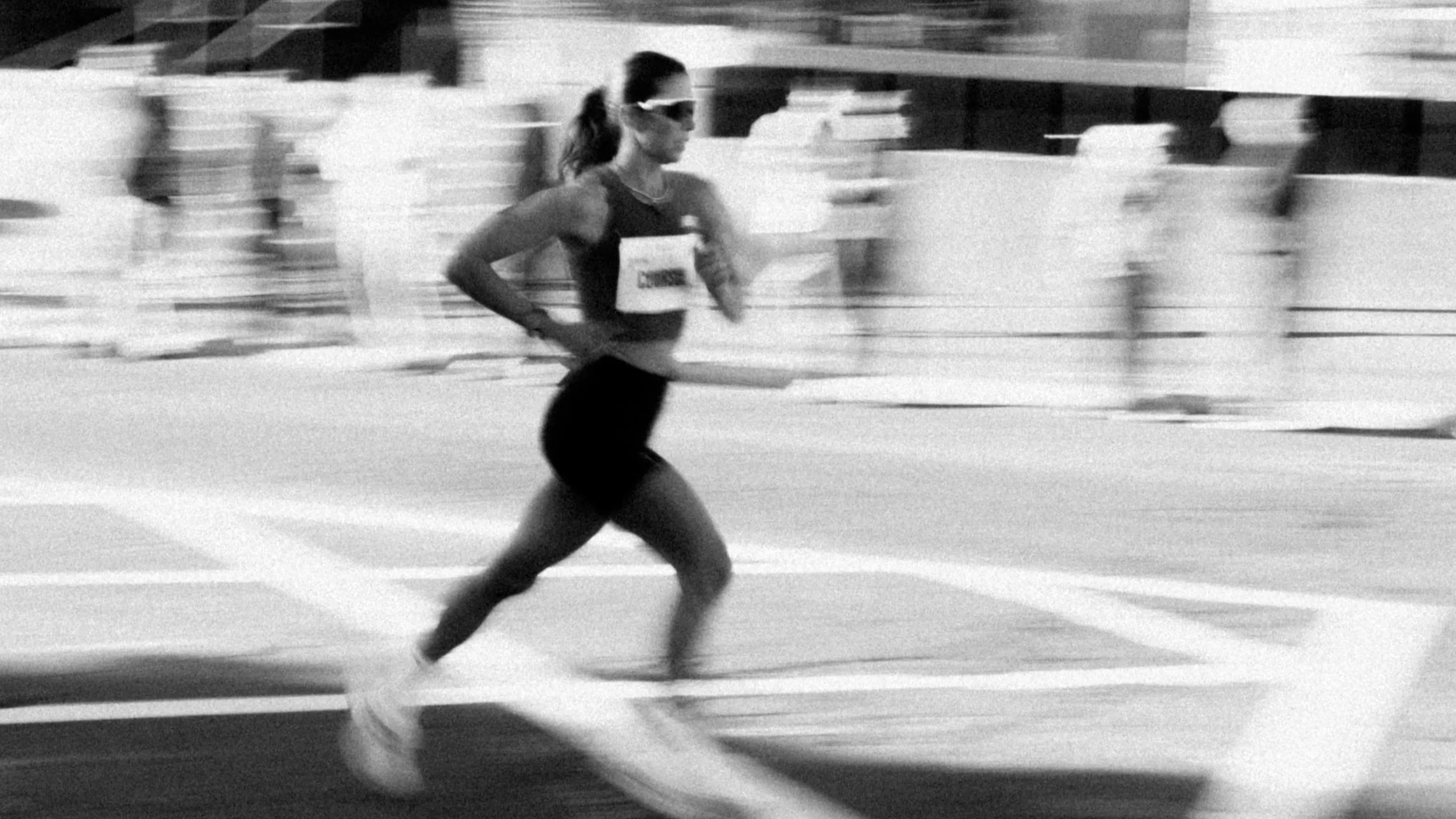
The week before a marathon has a particular kind of electricity. Your coworkers suddenly learn what a taper is. Your group chat becomes a weather-monitoring operation. Every small sensation in a calf feels like either a useful signal or a personal betrayal.
That is why massage before a marathon needs a little more thought than booking the most intense appointment you can find and asking someone to "get in there." In the final days before 26.2 miles, the assignment is not to manufacture a new body. It is to arrive with the body you trained: rested, familiar, and able to do its job.
A well-timed session with a skilled massage therapist can help you feel less stiff, more aware of where you are holding tension, and calmer before race day. It can also be a spectacularly bad time to pursue deep pressure, painful novelty, or a heroic attempt to fix an issue that has been simmering since mile 14 of a long run three weeks ago.
Should you get a massage before a marathon?
Yes, if it is well timed. A moderate, familiar session in the week before the race helps most runners feel loose, settled, and mentally calmer. What matters is when you book it, how much pressure you ask for, and whether it is something your body already knows.
Massage before a marathon is mostly a timing question
For most runners, a targeted massage about five to seven days before the race is the sweet spot. That window leaves room for any temporary tenderness to settle while still giving you the loosening, downshifting effect many runners are after. If massage is already part of your training routine, you may know your body does well with a session three or four days out. Familiarity matters.
The closer you get to the starting corral, the less ambitious the work should be. A light, focused session one or two days before can feel good, particularly if you carry neck and shoulder tension from desk work, travel, or race-week logistics. But it should not be a deep-tissue excavation of your quads, calves, hamstrings, or glutes.
Race week is not the moment to introduce a new modality, a new massage therapist, or a treatment so intense that walking down the subway stairs becomes an event. If you have never had sports-focused bodywork before, schedule it earlier in the training cycle, when your calendar has room for feedback and adjustment.
The goal is readiness, not a dramatic release
Runners often describe wanting to "break up" knots. It is a satisfying idea after months of early alarms, pavement, and suspiciously tight hip flexors. But muscles are not cluttered drawers waiting to be aggressively reorganized.
What helps before a marathon is massage that supports comfort and movement without leaving the tissue irritated. A massage therapist may use moderate, controlled pressure around areas that commonly feel overworked, like the calves, feet, glutes, hips, upper back, and shoulders, while paying attention to how your body responds. The best session is often less cinematic than people expect. You get off the table feeling better organized, not flattened.
Soreness and fatigue are not medals. Deep pressure can feel productive in the moment, but if it leaves you guarding, bruised, or more tender than before, it has added one more variable to an already variable-filled week. The marathon provides enough drama on its own.
This is especially true for New Yorkers who train around the rest of life. You might run the Williamsburg Bridge before work, sit through six hours of video calls, carry a laptop across Midtown, then wonder why one side of your neck is behaving like it has its own agenda. Your pre-race massage should account for the whole pattern, not just the mileage.
What to tell your massage therapist
Tell your massage therapist when the race is, what your training has looked like, and whether you are tapering or still carrying fatigue from a recent long run. Mention any area that is persistently tight, tender, weak, numb, or painful, and whether it changes when you run.
Also say what has worked before. If your calves tend to feel touchy after strong pressure, that is useful clinical information. If you have been sleeping poorly, traveling, or sitting more than usual, mention that too. Your body does not separate its marathon preparation from its 9:30 p.m. laptop posture just because the training plan does.
Be clear about what you want. If your goal is to feel settled and mobile, say so. A good massage therapist will adjust pressure and focus rather than turning a race-week maintenance session into a recovery experiment.
Persistent sharp pain, swelling, altered sensation, or pain that changes your gait is a different category from training tightness. A sports medicine clinician should assess symptoms that are new, worsening, or changing how you move.
The days before the race: keep the plan boring
The most useful taper advice is almost offensively unglamorous: do less, sleep more, eat food you already tolerate, and resist the urge to make up for missed training. Massage belongs in that same category of quiet competence.
After a session five to seven days out, pay attention to how you respond. You may feel lighter, sleepier, or more aware of a tight spot you had been ignoring. Keep your movement easy. Taper runs and a relaxed walk are generally more useful than suddenly spending an hour attacking your calves with every recovery tool in your apartment.
Hydrate normally, not theatrically, and do not confuse a massage with a detox event. Your liver and kidneys have that department covered.
If race anxiety is the bigger issue, massage can help beyond muscle sensation. Race week compresses months of preparation into one tense loop: Did I train enough? What if it rains? Why does my left foot suddenly exist? An hour without a screen and a body that feels attended to is a welcome interruption to the spiral.
When to skip the pre-race massage
Skip it if you are dealing with a fresh injury, unexpected illness, significant soreness from an unusually hard workout, or skin irritation in the treatment area. And if you rarely get massage and you already feel good, there is no rule saying you need one just because marathon culture has made recovery feel like mandatory equipment.
If you tend to feel tender for several days after massage, book earlier, around 10 to 14 days before the race, or save the session for afterward. Your training history outranks generic race-week advice.
And after the finish line
Give yourself 24 to 72 hours before a post-race massage, then book something gentle that responds to how you are actually recovering. Our NYC marathoners guide covers the first 48 hours and when to run again.
The larger point: massage works best as part of a pattern, not a race-week rescue mission. Regular bodywork across a training cycle helps you notice recurring tension before it becomes the thing that derails your next race.
Recovery along the course
The NYC Marathon runs through PRESS territory. The route passes through Williamsburg and Greenpoint near the halfway mark, crosses the Pulaski Bridge into Long Island City, Queens, and finishes in Central Park, a short walk from our Columbus Circle studio. Wherever you live or train, there is a PRESS studio near your stretch of the race, for a light session in taper week or recovery work once your legs are ready.
Quick answers
How many days before a marathon should I get a massage?
Five to seven days is the sweet spot for most runners. If you tend to feel sore after massage, book 10 to 14 days out instead.
Can I get a massage the day before a marathon?
Only a light one, and only if massage is already part of your routine. Race eve is not the time for deep pressure or a first-ever session.
Should I get a deep tissue massage before a marathon?
Not in race week. Save deep work for earlier in training, or for recovery a week or two after the race.
What should a pre-race massage focus on?
Comfort and familiarity: moderate pressure on the calves, feet, hips, and glutes, plus the neck and shoulders if work and travel have been adding tension.
When should I get a massage after the marathon?
Wait 24 to 72 hours, then keep it gentle. Deeper work can come a week or two later.
At PRESS
Our licensed massage therapists work with runners before and after race day at every studio: Williamsburg, Brooklyn; Greenpoint, Brooklyn; Union Square, Manhattan; Columbus Circle, Manhattan; and Long Island City, Queens. Book here, and tell us when your race is.
Read also:
Written by Rachel Beider, LMT, founder of PRESS Modern Massage. Rachel is a New York State–licensed massage therapist and AMTA member with nearly two decades of experience in massage therapy and wellness.
