
Sports Recovery Massage in Manhattan for Real Training Weeks
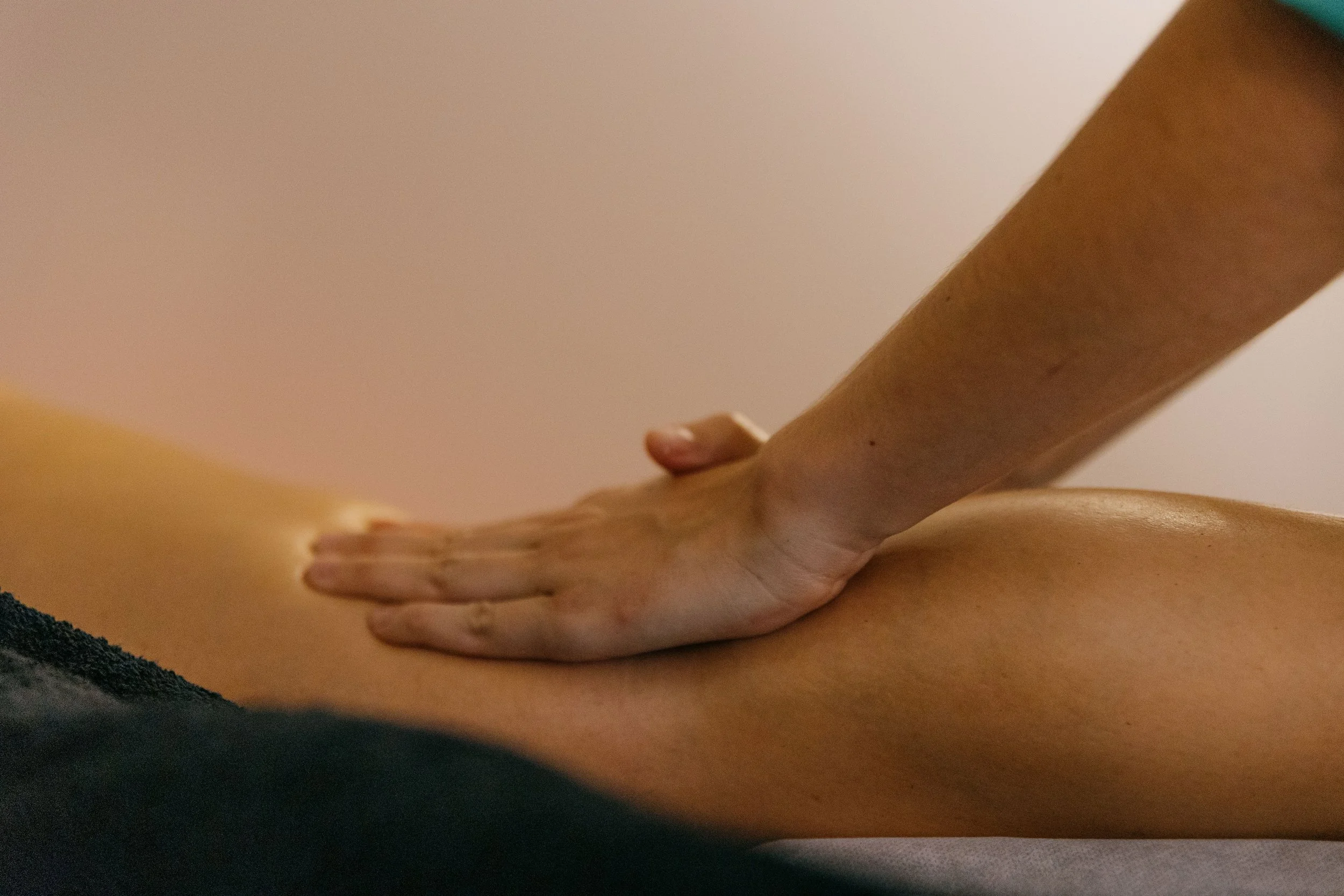
Your training plan may be color-coded, periodized, and synced to three apps. Your recovery plan, meanwhile, may be a protein bar eaten on the subway and an optimistic promise to stretch later. That gap is why sports recovery massage in Manhattan has become less of an athlete-only ritual and more of a practical appointment for people trying to keep moving through a city that is hard on bodies.
Manhattan makes it easy to confuse activity with recovery. You run the Central Park loop before work, sit through six hours of video calls, carry a gym bag and laptop across town, then wonder why the hip that felt merely tight on Tuesday is making stairs feel personal. Massage cannot replace smart programming, sleep, food, or medical care when an injury needs it. But in the right place in a training week, it is a useful way to address persistent muscular tension, regain a sense of range, and notice what your body is telling you before it starts shouting.
Recovery is not the same as feeling wrecked
There is a particular New York tendency to treat soreness as a badge of seriousness. A brutal class, a long run, or a heavy lifting session can feel productive precisely because it leaves evidence. But soreness is not a scorecard, and being too stiff to turn your torso while hailing a cab is not a sign of excellent fitness.
A recovery-focused session is concerned with what is changing your movement: calves that have stayed switched on since Sunday's long run, shoulders doing too much work during overhead lifts, or a low back absorbing the consequences of a desk setup designed by someone who apparently dislikes spines.
A skilled massage therapist works the areas limiting comfort and movement while adjusting pressure to what your body can tolerate that day. The goal is not to "break up" tissue in an endurance test disguised as treatment. More pressure is not automatically more effective, and sometimes it just leaves you tender enough to make the next workout worse.
What sports recovery massage can realistically do
The research is more measured than the marketing. A session may reduce the feeling of delayed-onset muscle soreness for some people, support short-term flexibility and range of motion, and lower the general sense of tightness after training. It is also a genuine pause button for an overworked nervous system, which matters when stress, poor sleep, and hard workouts all arrive at once.
What it cannot do is erase an injury, correct every movement pattern, or make an aggressive training load consequence-free. If you have acute swelling, a suspected fracture, numbness, sudden weakness, pain that travels down an arm or leg, or pain that is getting sharper rather than settling, skip the recovery appointment and get evaluated.
For everyone else, the value tends to be cumulative. A runner notices their calves and hips stop feeling permanently armored. A climber finds forearm tension no longer follows them into keyboard work. A lifter leaves with a clearer sense of whether a restriction is simple fatigue or a signal to modify the next few sessions.
Timing matters more than people think
If you are preparing for a race or a day when you need to feel sharp, an intensely deep session the day before is a poor gamble. You do not want to discover new tenderness during your warm-up. (Here is how to time it before a marathon.)
For most people, the sweet spot is a day or two after a demanding session, once your body has registered the workload but before the next big effort. In a high-volume training block, a regular cadence is usually more useful than waiting until a small annoyance becomes a scheduling crisis.
That does not mean everyone needs weekly massage. It depends on training volume, injury history, sleep, travel, work stress, and budget. The useful question is not "how often should athletes get massage?" It is "when does this help me train and live with fewer avoidable limitations?"
The desk is part of your training load
For Manhattan athletes, the workout is rarely the only physical demand of the day. A 45-minute run can be followed by ten hours of screen work, a long walk between meetings, and a late dinner eaten with one shoulder closer to your ear than the other. Your body does not separate fitness stress from work stress. It just adds them up.
That matters for anyone whose workouts are supposed to offset desk life. A strong posterior chain does not make you immune to hours of sitting, and mobility drills are not a moral obligation you failed because you skipped them at 10:45 p.m. Massage is one practical part of a broader plan, alongside training adjustments, strength work, movement breaks, and enough sleep to actually recover. (More on massage for tech neck.)
Ask for a session built around your actual week
A good sports recovery massage starts with a conversation, not a script. Tell your massage therapist what you trained, when, what is sore versus painful, and what is next on your calendar. Mention old injuries, medical conditions, and medications.
Be precise. "My legs are tight" is a fair opening, but "my left calf tightens at mile four and I have speed work Thursday" is far more useful. If your neck and upper back distract you during cycling or swimming, say that too. You do not need a perfect anatomical theory, just enough information for your massage therapist to make a smart call.
And be honest during the session. Productive pressure can be intense, but it should not require heroic silence. If you are holding your breath or bracing your jaw, say so.
Recovery that survives the walk home
The best post-massage advice is boring, which is why it works. Drink water when you are thirsty, eat a normal meal, and give your body a little room. An easy walk may feel better than collapsing onto the couch. If you are unusually tender, reconsider the max-effort workout you planned for that evening.
Then pay attention over the next day or two. Did your squat feel less restricted? Did you sleep more comfortably? Did the familiar tightness come back after one workday, or stay quieter? Those observations tell you whether massage is serving your goals.
Where to recover in Manhattan
Our Union Square studio sits on West 14th Street, close to the offices and gyms of Flatiron and Chelsea. Our Columbus Circle studio is a short walk from the Central Park loop, handy after a long run. Both offer sports-focused work built into a full body session.
At PRESS
Licensed massage therapists bring anatomy-based care to our studios in Union Square, Manhattan; Columbus Circle, Manhattan; Williamsburg, Brooklyn; Greenpoint, Brooklyn; and Long Island City, Queens. Book here, and tell us what your body has to do next.
Read also:
Written by Rachel Beider, LMT, founder of PRESS Modern Massage. Rachel is a New York State–licensed massage therapist and AMTA member with nearly two decades of experience in massage therapy and wellness.
